Article
Mastering Mirror Finishing for Watch Dials
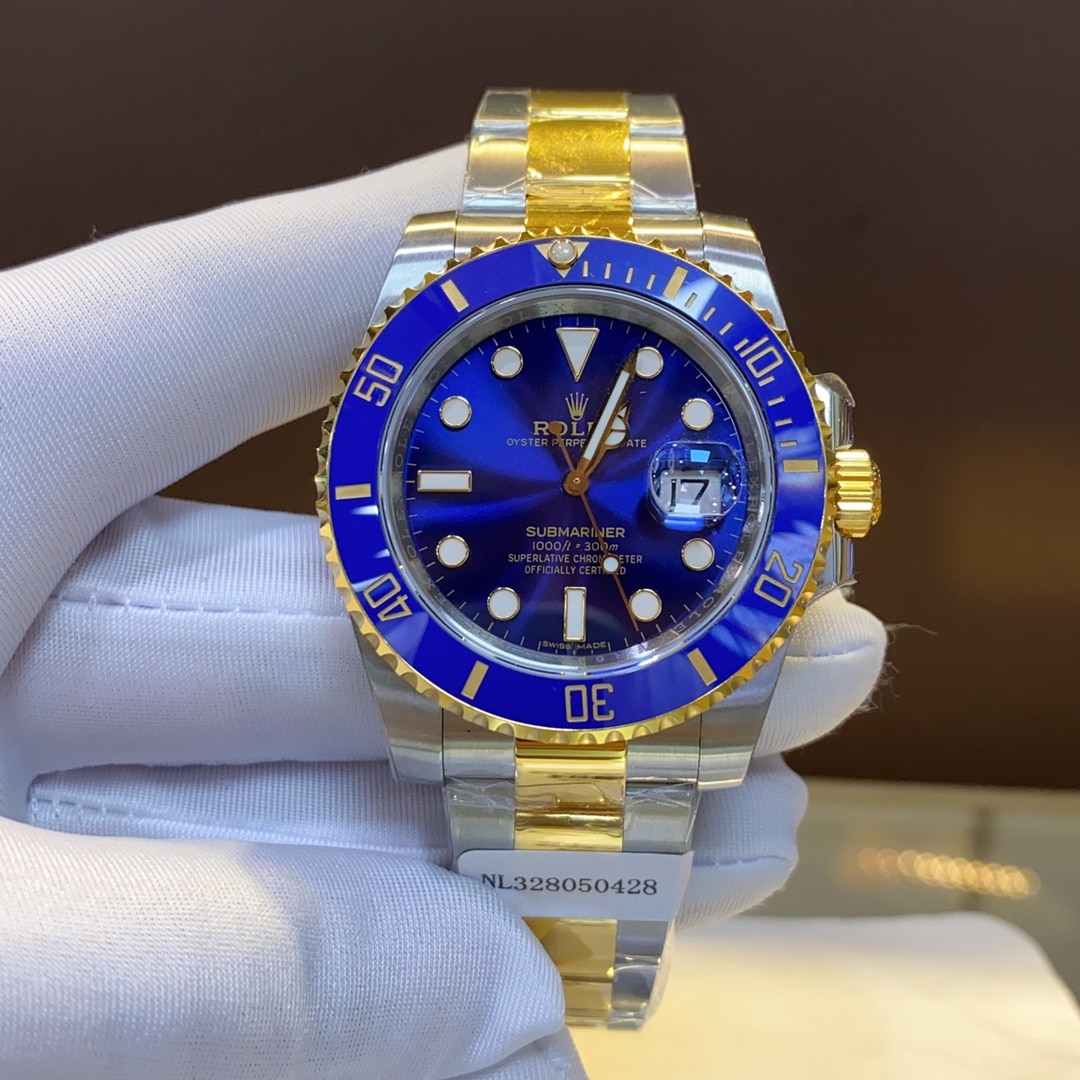
When selecting a collectible watch, the dial's mirror finish often captures attention. Achieving a flawless, authentic-looking surface requires specialized techniques. This guide explores several methods used by USA WATCH EXPERT to perfect dial surfaces.
Physical Coating
Physical coating applies a thin layer via vacuum evaporation, creating a uniform, high-quality finish. This process mimics the convex and concave topography of natural diamonds, enhancing visual appeal. Additionally, it increases surface hardness, providing excellent protection against mechanical damage.
Chemical Coating
Chemical coating involves applying a composition that shields the dial, ensuring a smooth, even surface. This method guards against wear, scratches, and optical distortions, preserving the dial's pristine shine over time.
Polishing and Holograms
Precision watches rely on polishing and holographic effects. Multi-stage polishing uses progressively finer abrasives to achieve a smooth, reflective surface. Holograms add a unique, eye-catching play of light, elevating the dial's aesthetic.
Machining
Machining offers versatility in dial design, allowing for various shapes and sizes. This technique cuts elements like numerals and markers directly into the surface, ensuring precision and durability.
Prototyping
Prototyping is essential for crafting a perfect dial. It enables meticulous detailing and refinement, guaranteeing that the final product meets exacting standards. This step is critical in the watch manufacturing process.
These mirror finishing techniques are integral to producing collectible watch dials. Mastering them directly impacts the overall quality and authenticity of the timepiece. At USA WATCH EXPERT, we prioritize these methods to deliver watches that impress.