
Encyclopedia
The Science of Gear Tooth Profiles in Watchmaking
Introduction to Gear Tooth Profiles
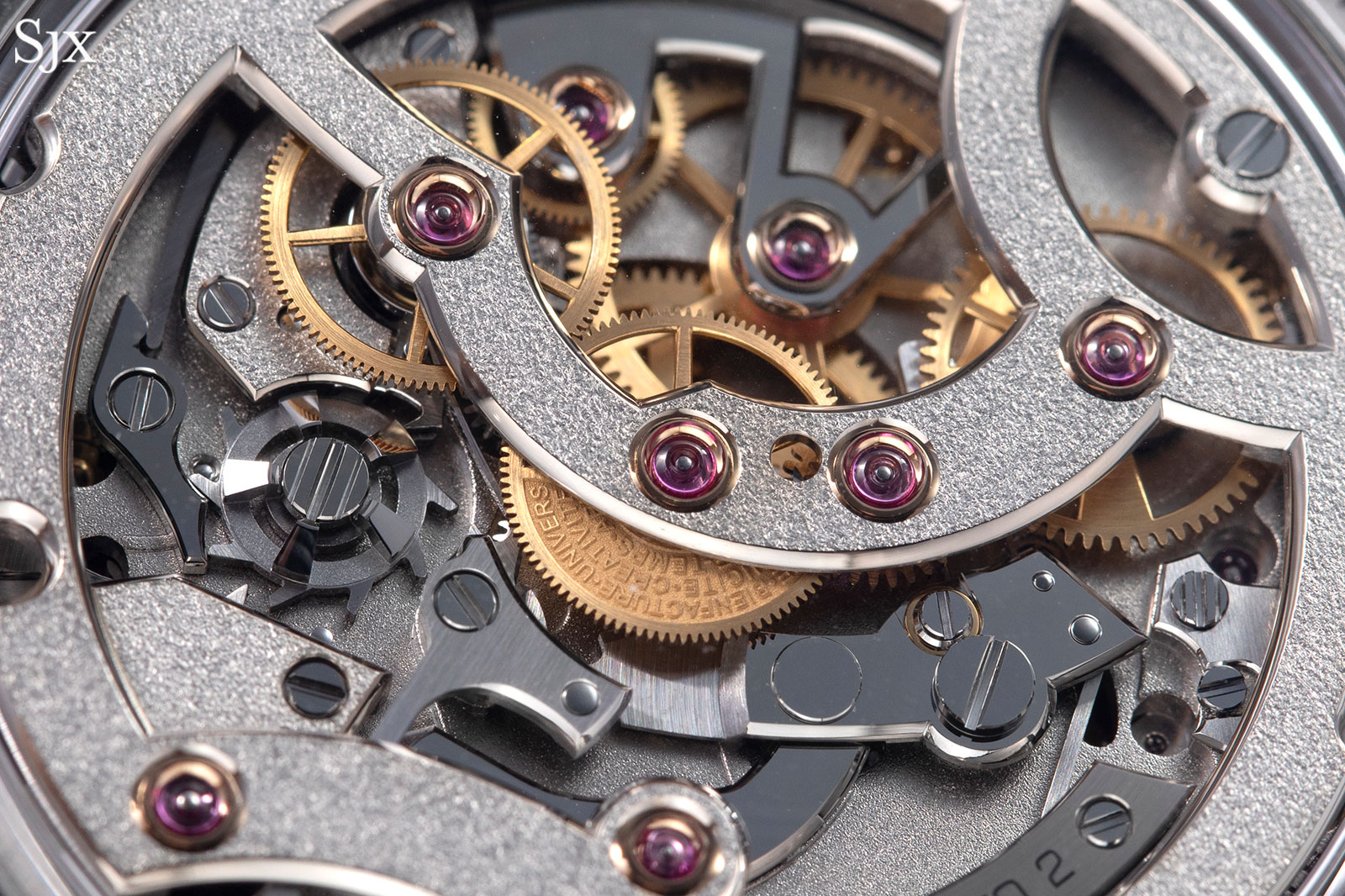
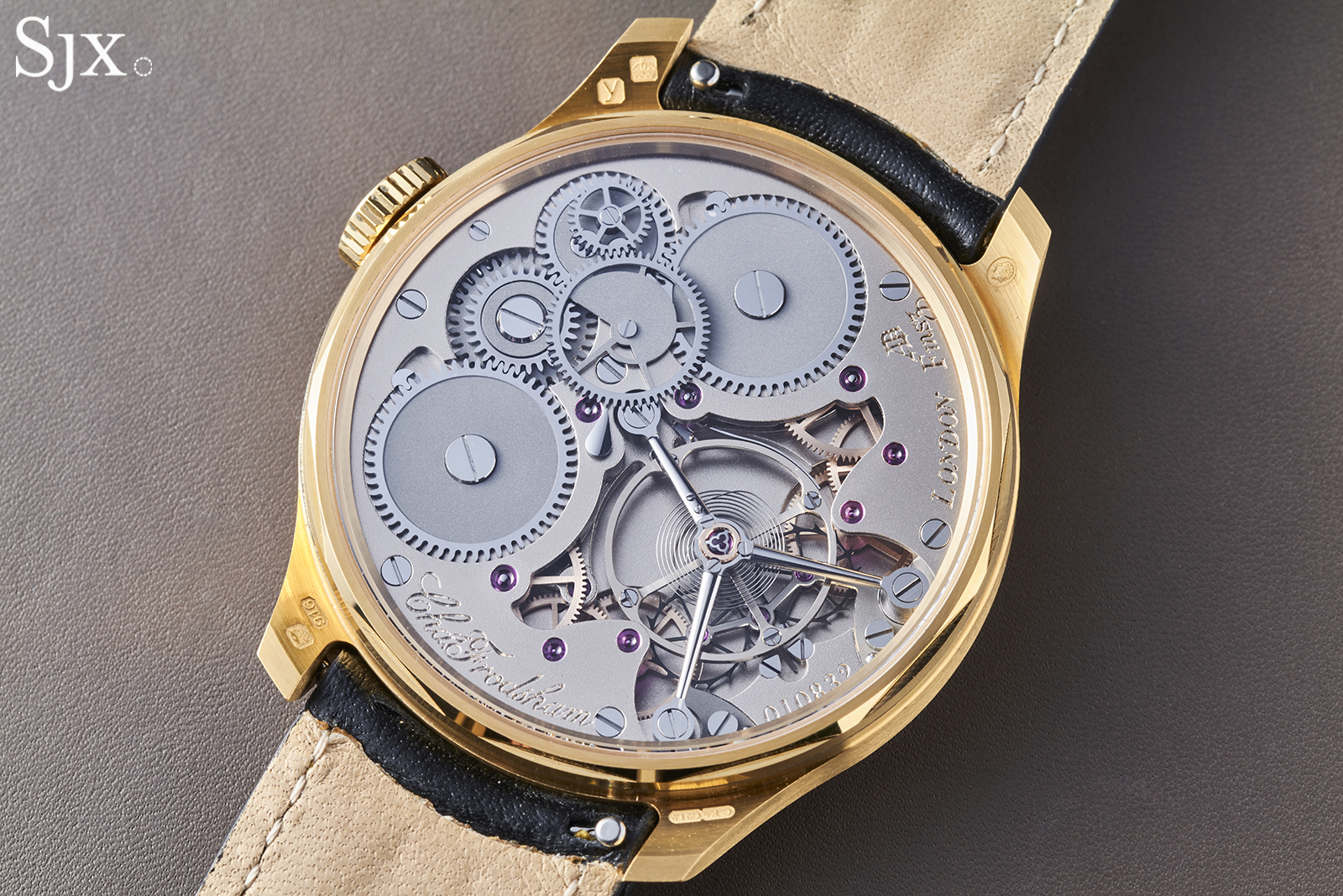
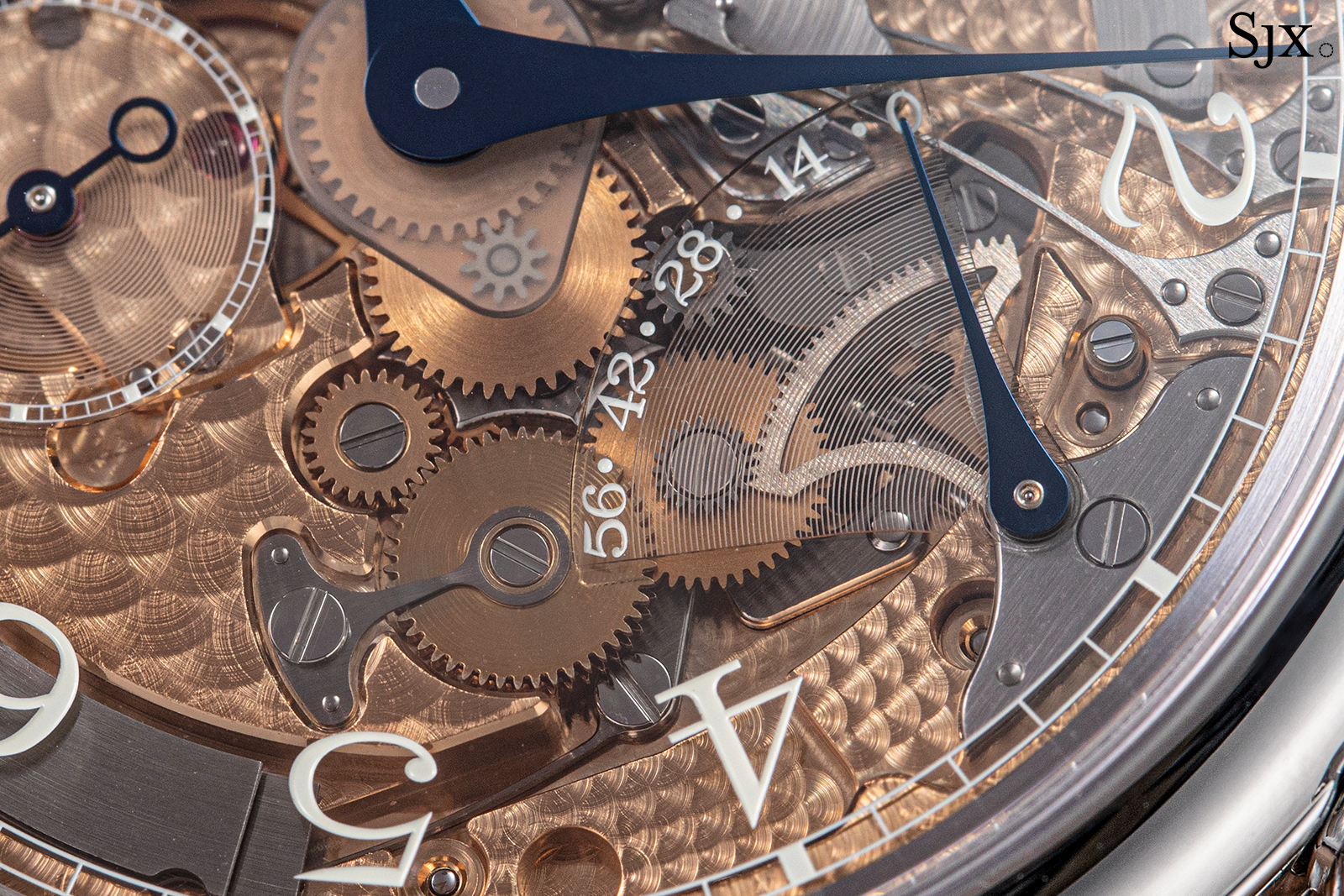
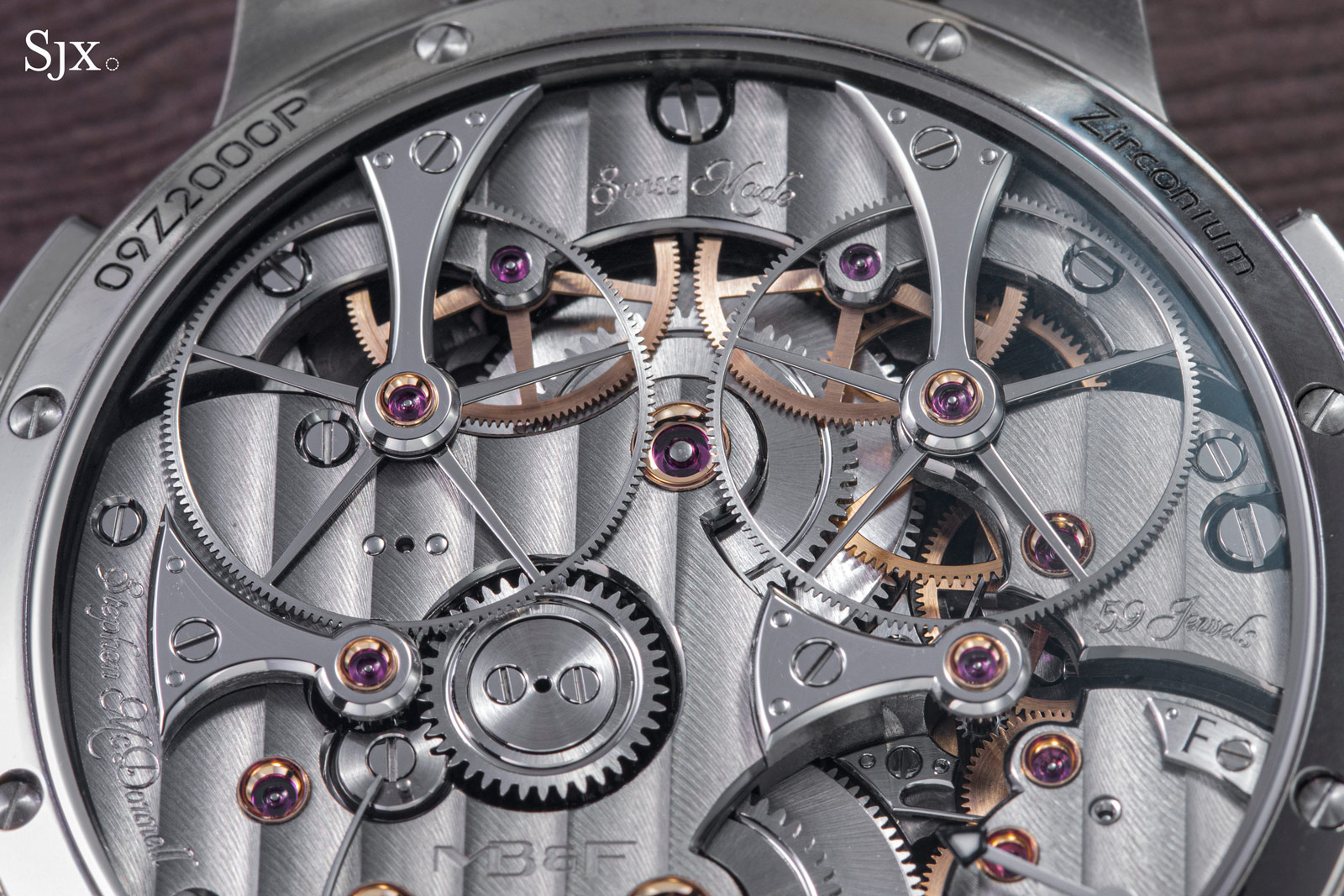
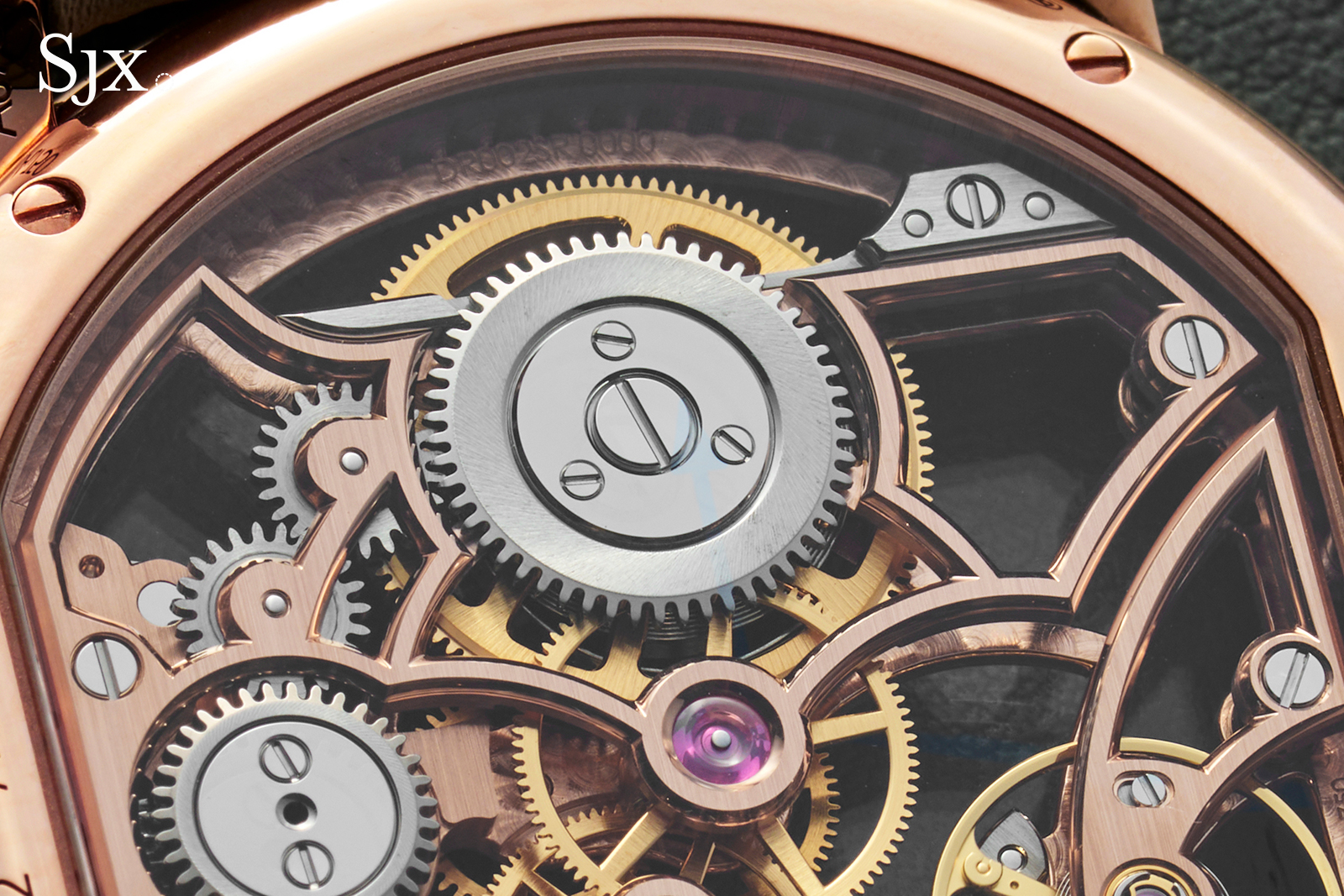
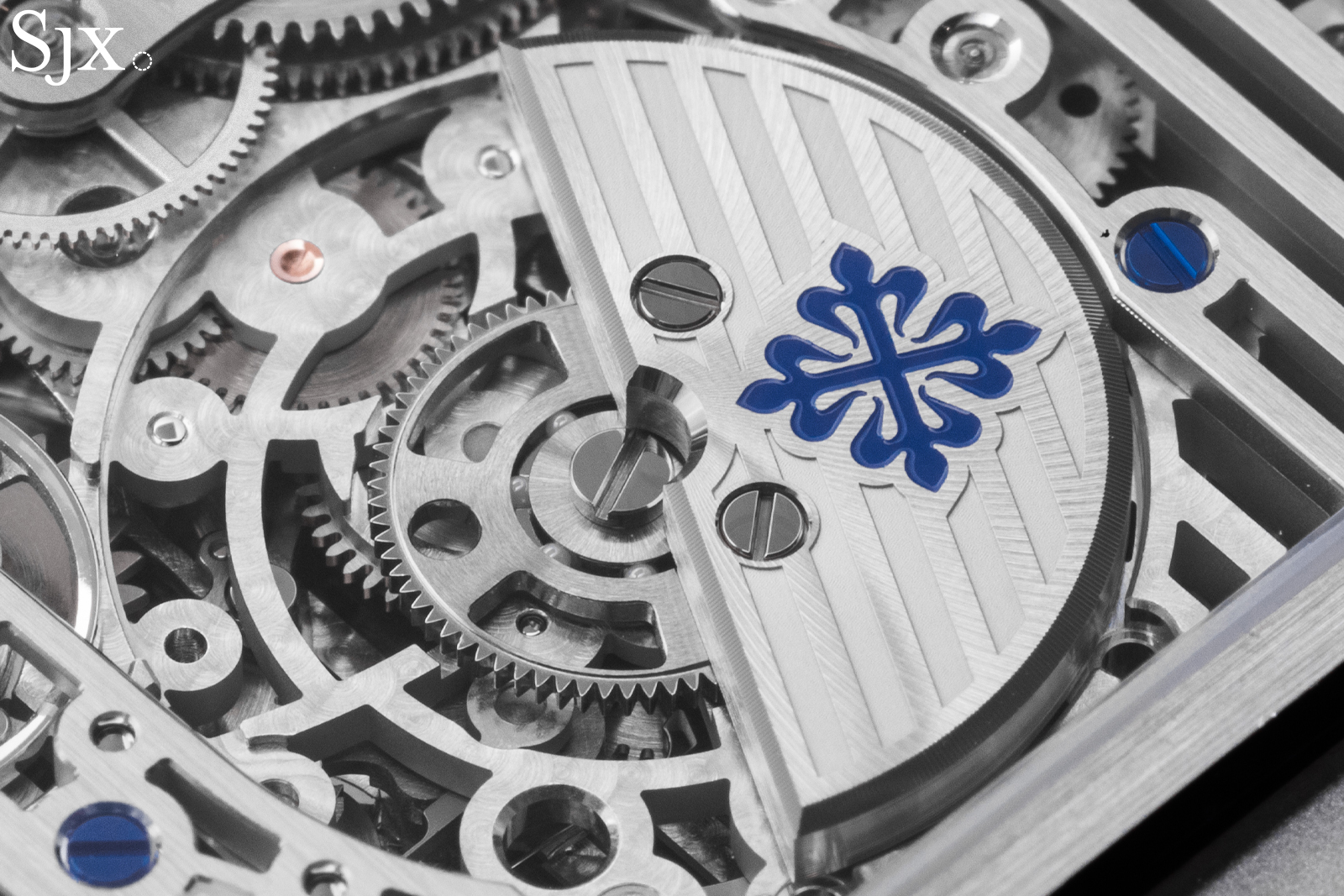
In the intricate world of mechanical watchmaking, gears are the unsung heroes that transmit energy from the mainspring to the escapement. While often overlooked, the shape of gear teeth plays a pivotal role in the smooth operation and accuracy of a timepiece. This article explores the science behind gear tooth profiles, their historical evolution, and the engineering considerations that shape modern watch movements.
The Historical Evolution of Gear Teeth
Gears have been fundamental to timekeeping since the earliest mechanical clocks. Initially, gear cutters were specialized craftsmen, and tooth shapes were often based on practical experience rather than scientific principles. The invention of the hairspring and detached escapements highlighted the need for more precise gear design, prompting horologists to study tooth geometry in detail.
Cycloidal vs. Involute Profiles
Two primary gear tooth profiles dominate horology: the cycloidal and the involute. The cycloidal profile, proposed by Ole Rømer in 1674 and later analyzed by Philippe de La Hire, was the standard for centuries. The involute profile, formalized by Leonhard Euler in the 18th century, became widespread during the Industrial Revolution. Each profile has distinct characteristics that influence performance.
Understanding Cycloidal Gears
Cycloidal gears are formed by rolling circles, creating epicycloid and hypocycloid curves. This design allows for smooth rolling contact between teeth, reducing friction and wear. However, cycloidal gears are highly sensitive to manufacturing tolerances and center distance variations, which can lead to inefficiencies if not perfectly aligned.
Advantages and Disadvantages
The primary advantage of cycloidal gears is their low contact pressure, making them ideal for high-ratio applications like watch gear trains. However, they require precise manufacturing and are prone to performance degradation if any misalignment occurs. This makes them less robust in real-world conditions where minor imperfections are inevitable.
Exploring Involute Gears
Involute gears are characterized by a tooth shape that traces an involute curve, which is generated by unwinding a taut thread from a cylinder. This design ensures constant velocity transmission regardless of minor center distance changes, offering greater tolerance for manufacturing errors. However, involute gears generate higher contact pressure, which can be problematic in the delicate environment of a watch movement.
Trade-offs in Watchmaking
While involute gears are easier to produce and more forgiving of imperfections, their higher contact pressure makes them less suitable for the extreme gear ratios found in watchmaking. Conversely, cycloidal gears excel in reducing pressure but demand exacting standards. Watchmakers must balance these factors when selecting gear profiles for specific applications.
Modern Innovations and Hybrid Approaches
Contemporary watchmakers often employ modified gear profiles that blend elements of both cycloidal and involute designs. These hybrid profiles aim to optimize performance by leveraging the strengths of each system while mitigating their weaknesses. For instance, some movements use involute gears in less critical areas and cycloidal gears where smoothness is paramount.
Case Studies in Modern Horology
Brands like F.P. Journe and Daniel Roth have experimented with various gear profiles to achieve superior accuracy and reliability. Their approaches demonstrate the ongoing quest for the perfect gear tooth shape, driven by advances in materials science and manufacturing precision.
Authenticity and Buying Considerations
For watch enthusiasts, understanding gear profiles can aid in appreciating the craftsmanship behind a timepiece. When purchasing a replica watch, it's essential to consider the quality of the movement and the precision of its components. High-quality replicas often feature meticulously crafted gears that mimic the performance of authentic movements.
Tips for Enthusiasts
When evaluating a watch, look for smooth winding and consistent timekeeping, which indicate well-designed gear trains. Pay attention to the finish and alignment of visible gears, as these are signs of careful assembly. Investing in a reputable replica ensures that the gear profiles are engineered to deliver reliable performance.
Conclusion
The science of gear tooth profiles is a testament to the ingenuity of horologists past and present. From the early cycloidal designs to modern hybrid solutions, the evolution of gears reflects a relentless pursuit of precision. By understanding these principles, enthusiasts can better appreciate the complexity and artistry inherent in every mechanical watch.





gear tooth profiles -
cycloidal gear watch -
involute gear horology -
watch movement gears -
gear design in watches -
What is a gear tooth profile? -
Why are cycloidal gears used in watches? -
What is the difference between cycloidal and involute gears? -
How do gear tooth profiles affect watch accuracy? -
What are the advantages of involute gears in watchmaking? -
Who invented the involute gear profile? -
What is the role of gears in a mechanical watch? -
How are watch gears manufactured? -
What is the history of gear tooth design? -
Why do watch gears have different tooth shapes? -
RECOMMENDED
You may also like
Private Concierge
If you have any questions about purchasing or after-sales service for watches, please contact me using the contact information provided!
 +447599352109
 liuyanhua19999s扫二维码,请加我为好友。
扫二维码,添加我为朋友。
ID: liuyanhua19999s