
Encyclopedia
The Evolution of Watch Clasps: From Simple Buckles to High-Tech Marvels
The Unseen Heroes: How Watch Clasps Evolved
When we think about watches, our minds often drift to intricate movements, dial designs, or iconic cases. Yet, the humble clasp—the mechanism that secures the watch to your wrist—has undergone a remarkable transformation. From simple hooks to complex systems with tool-free adjustments, clasps have become engineering marvels that enhance both functionality and comfort. This article delves into the history and evolution of these essential components, revealing how they've grown from basic closures to high-tech innovations.
The Early Days: From Slip-Ons to Pin Buckles
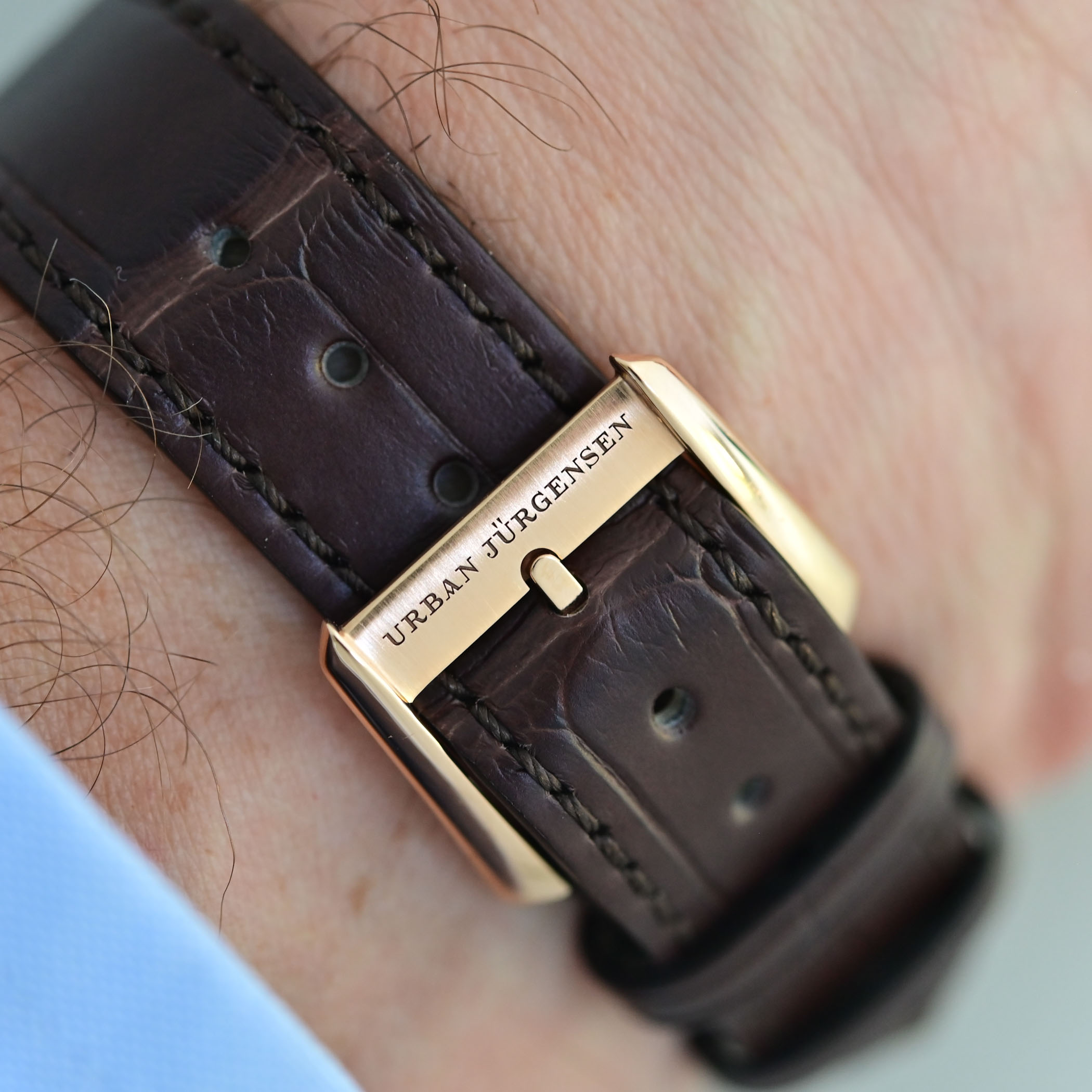
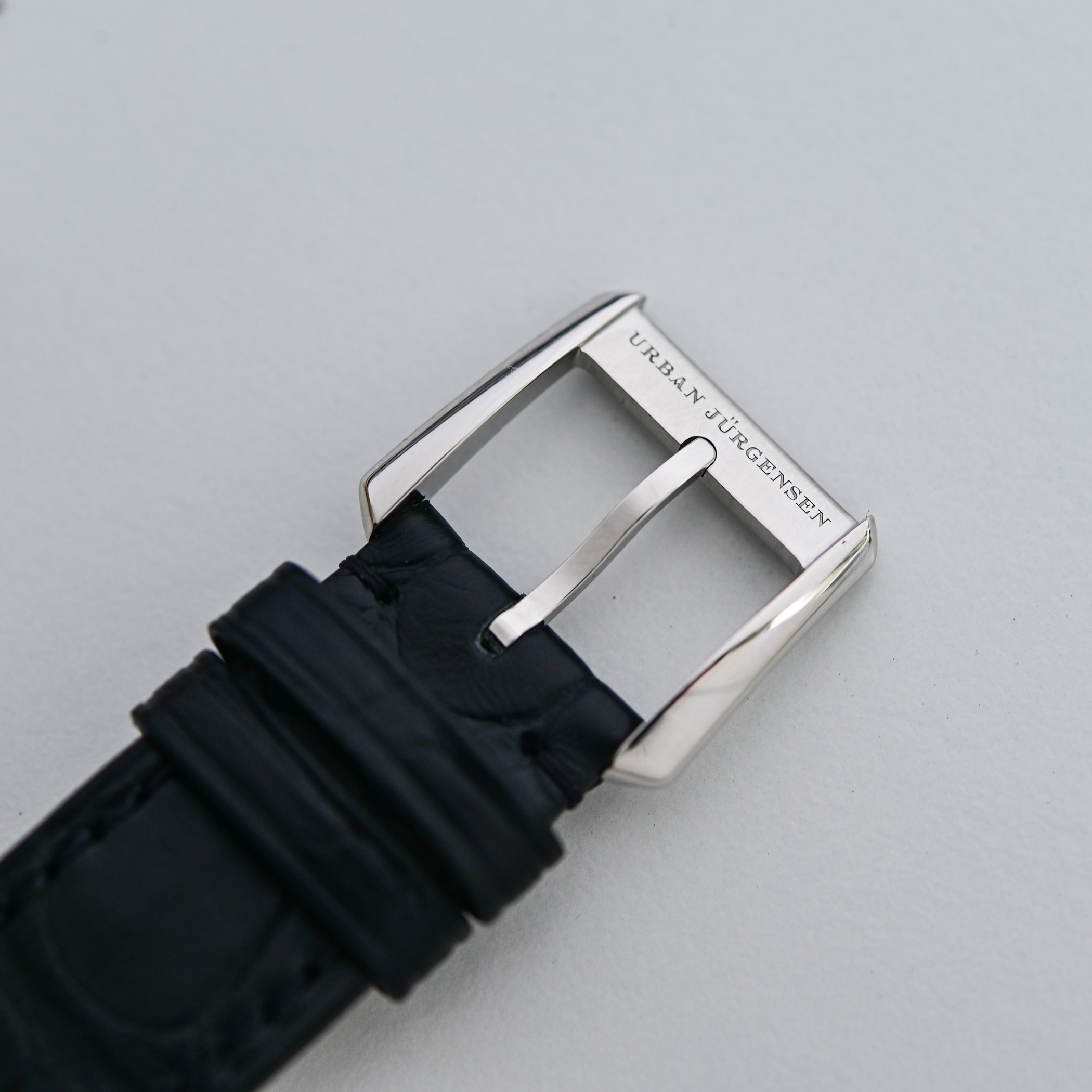
In the 18th and 19th centuries, the first metal bracelets for women's watches were essentially jewelry that slipped over the hand without any closure. Even during World War I, expanding bracelets like the 'Army' bracelet by Gay Frères worked clasp-free. However, as two-piece straps became popular, the need for a reliable closure emerged. The solution was borrowed from centuries-old belt and shoulder strap designs: the pin buckle, also known as the tang or ardillon buckle. This simple yet effective mechanism, which dates back to the Bronze Age, uses a metal frame with a central pin that secures into pre-punched holes in the strap. By 1918, pin buckles were standard military issue for wristwatches, and they remain the dominant choice for leather straps today.
The Deployant Clasp: A Cartier Innovation
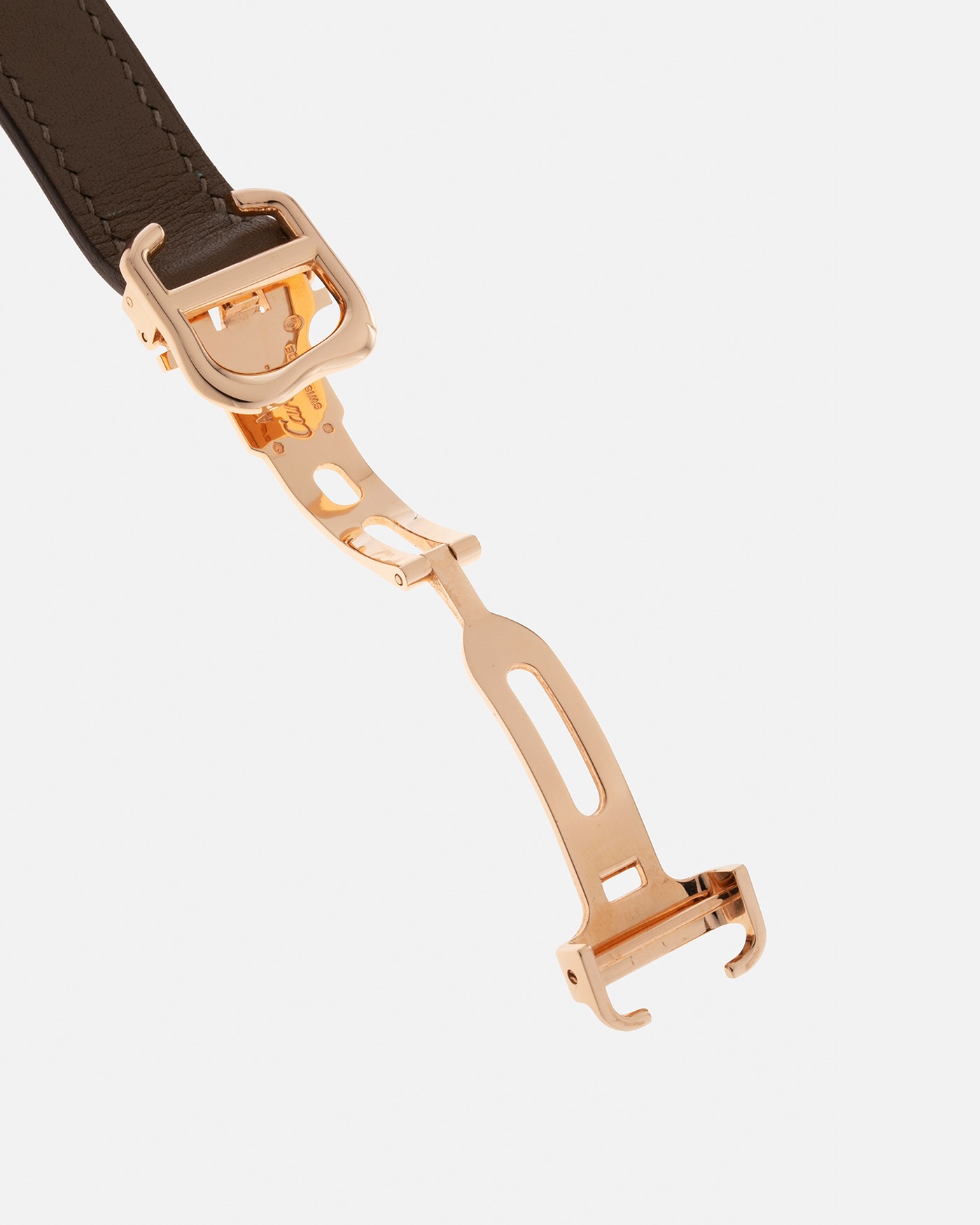
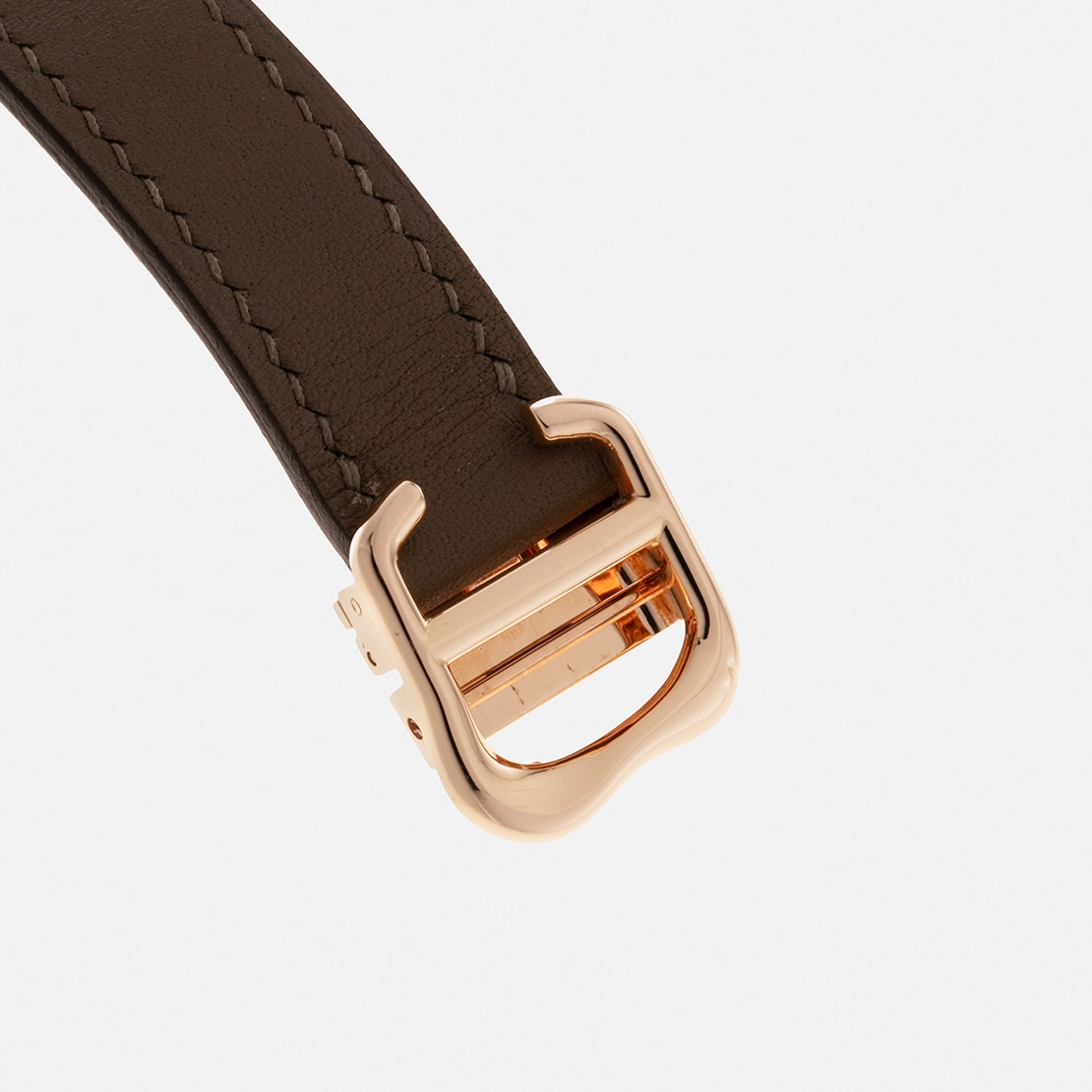
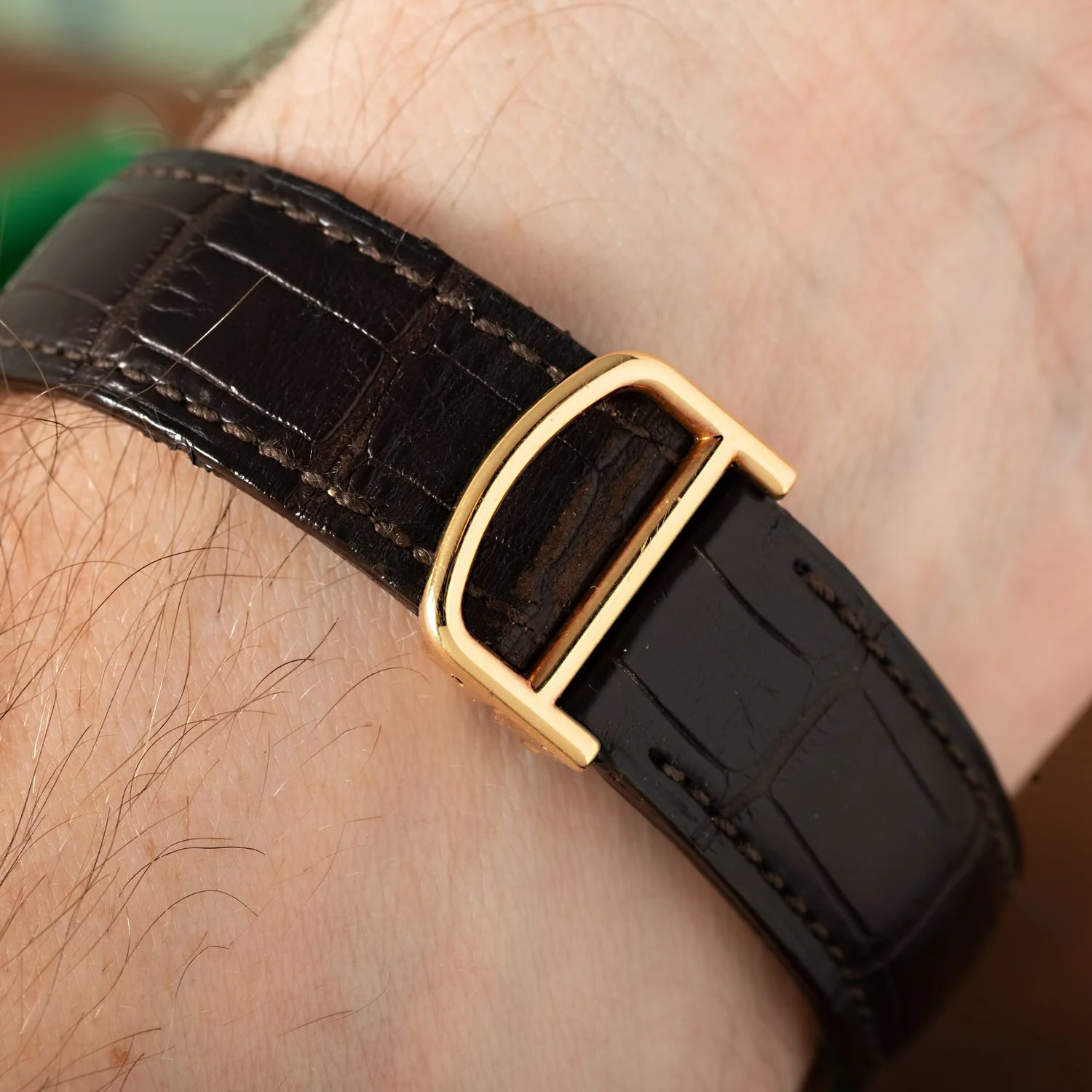
Around 1909, Louis Cartier, in collaboration with Edmond Jaeger of Jaeger-LeCoultre, invented the deployant clasp, or 'bouclé déployante.' Debuted in 1911 on the Cartier Santos, this clasp was designed to preserve leather straps by eliminating the stress caused by repeated bending and pulling. Unlike a traditional buckle, a deployant clasp opens like a butterfly, creating a continuous loop when closed. This design not only reduces wear but also makes the watch easier to put on and take off. Today, deployant clasps come in various forms, including those with pushers, flaps, and even micro-adjustment features.
Modern Marvels: On-the-Fly Adjustments
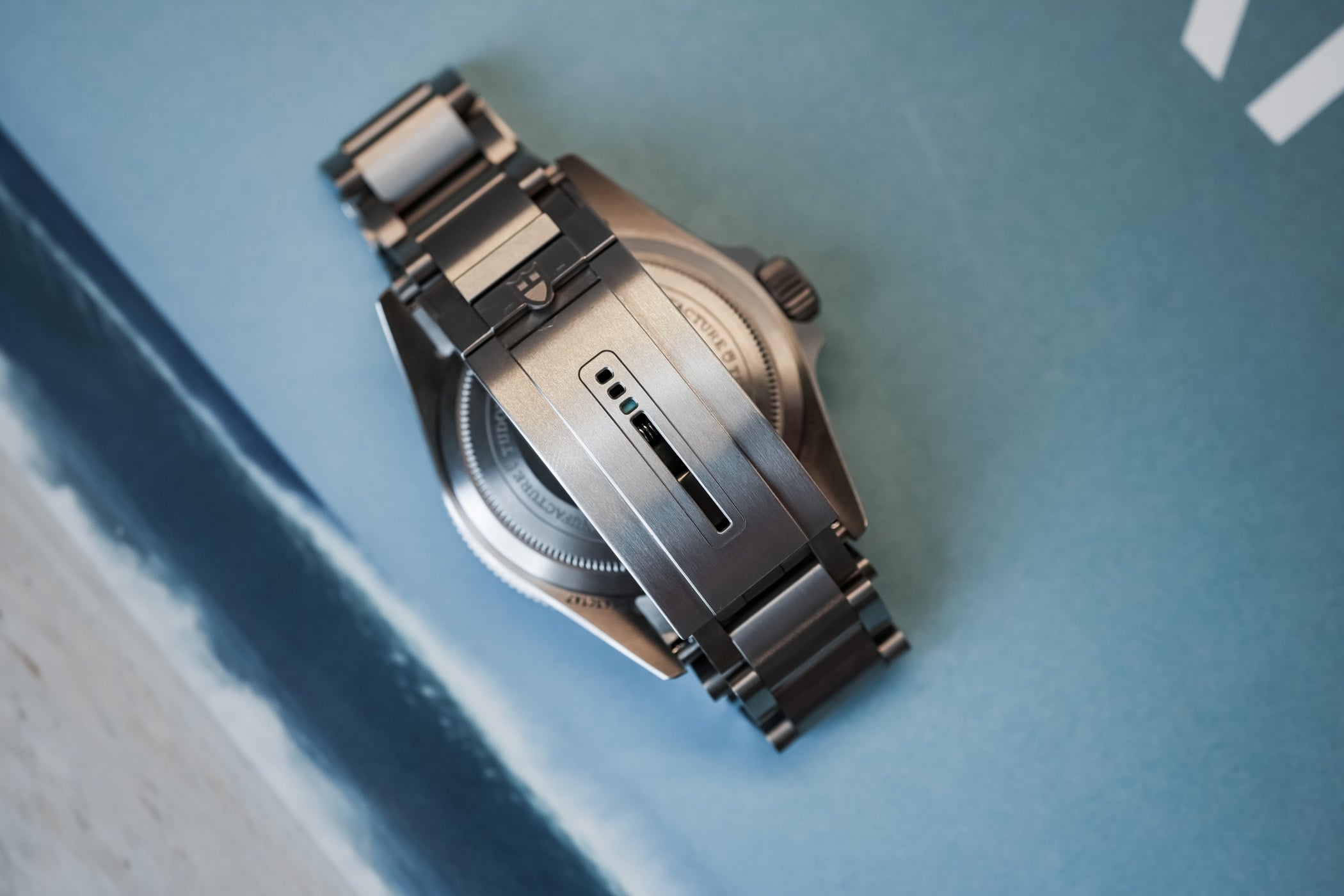
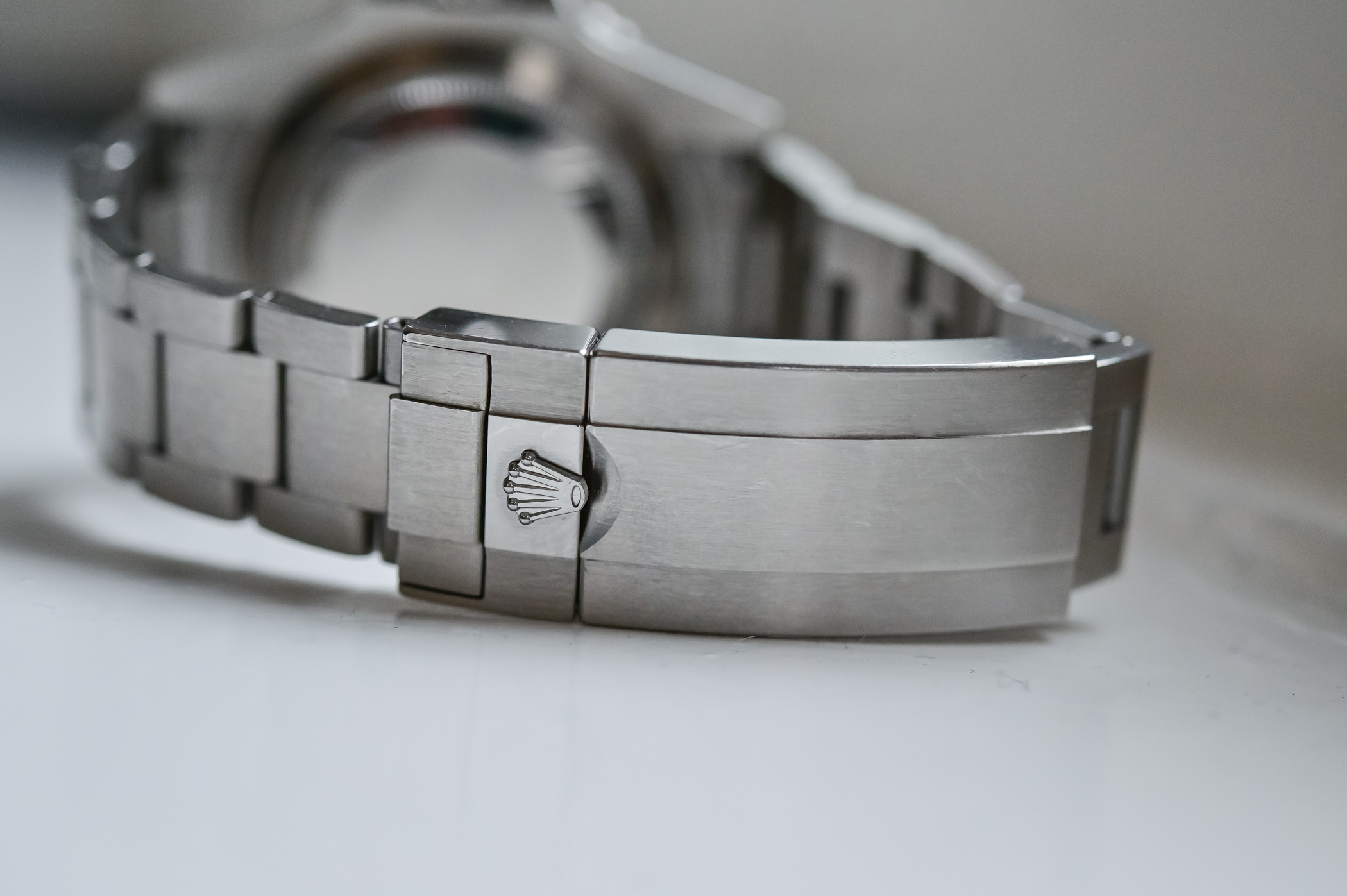
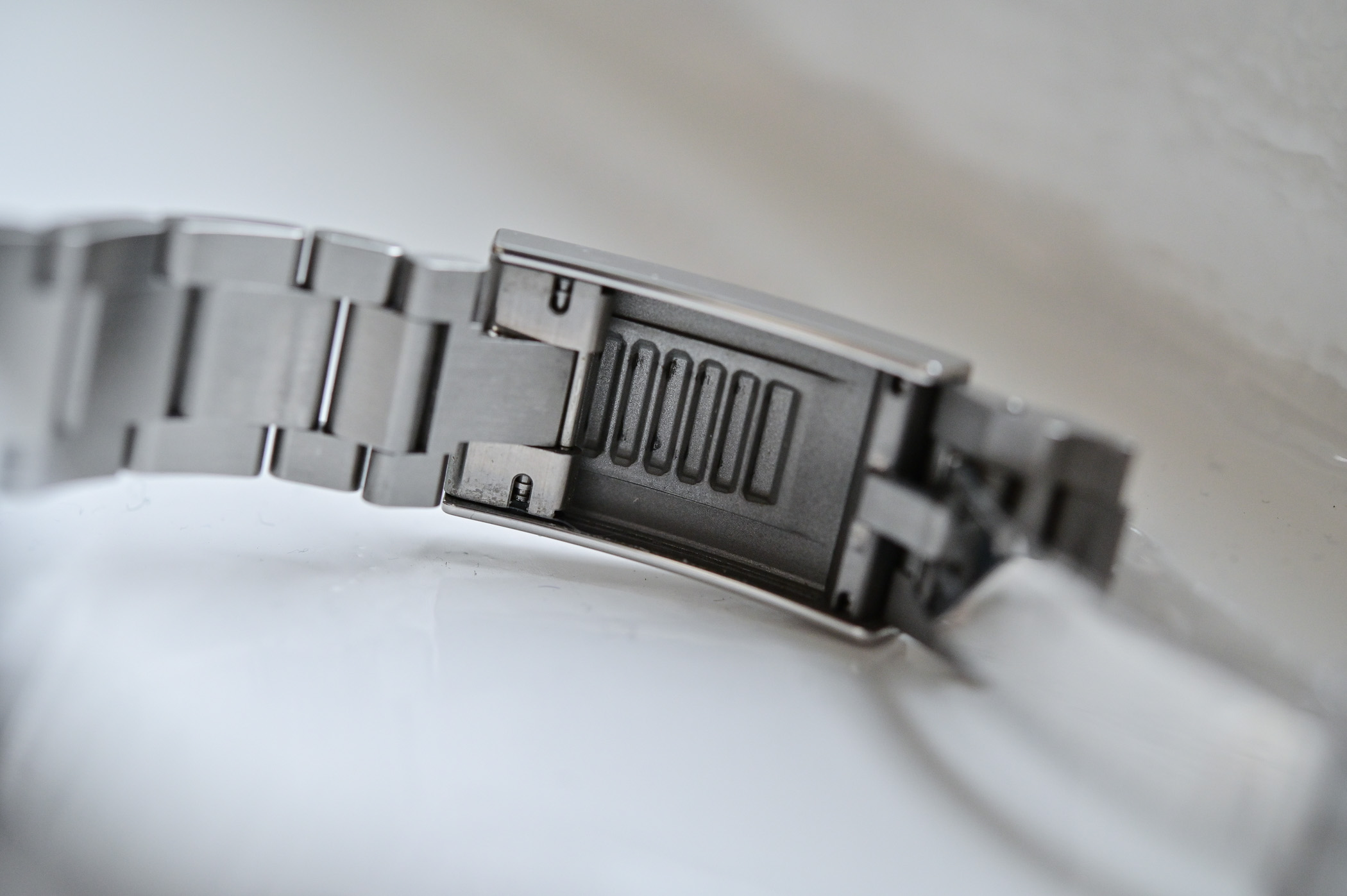
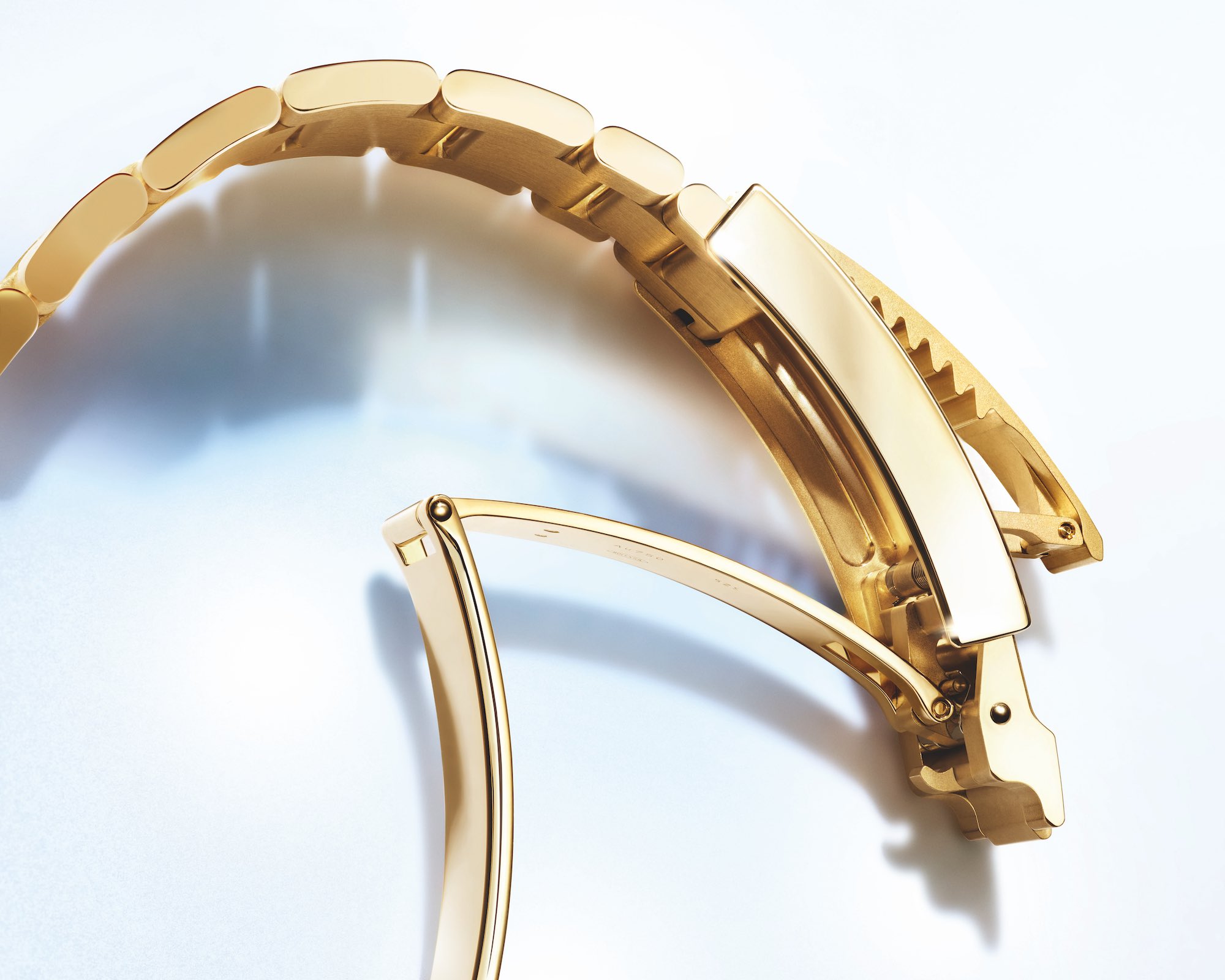
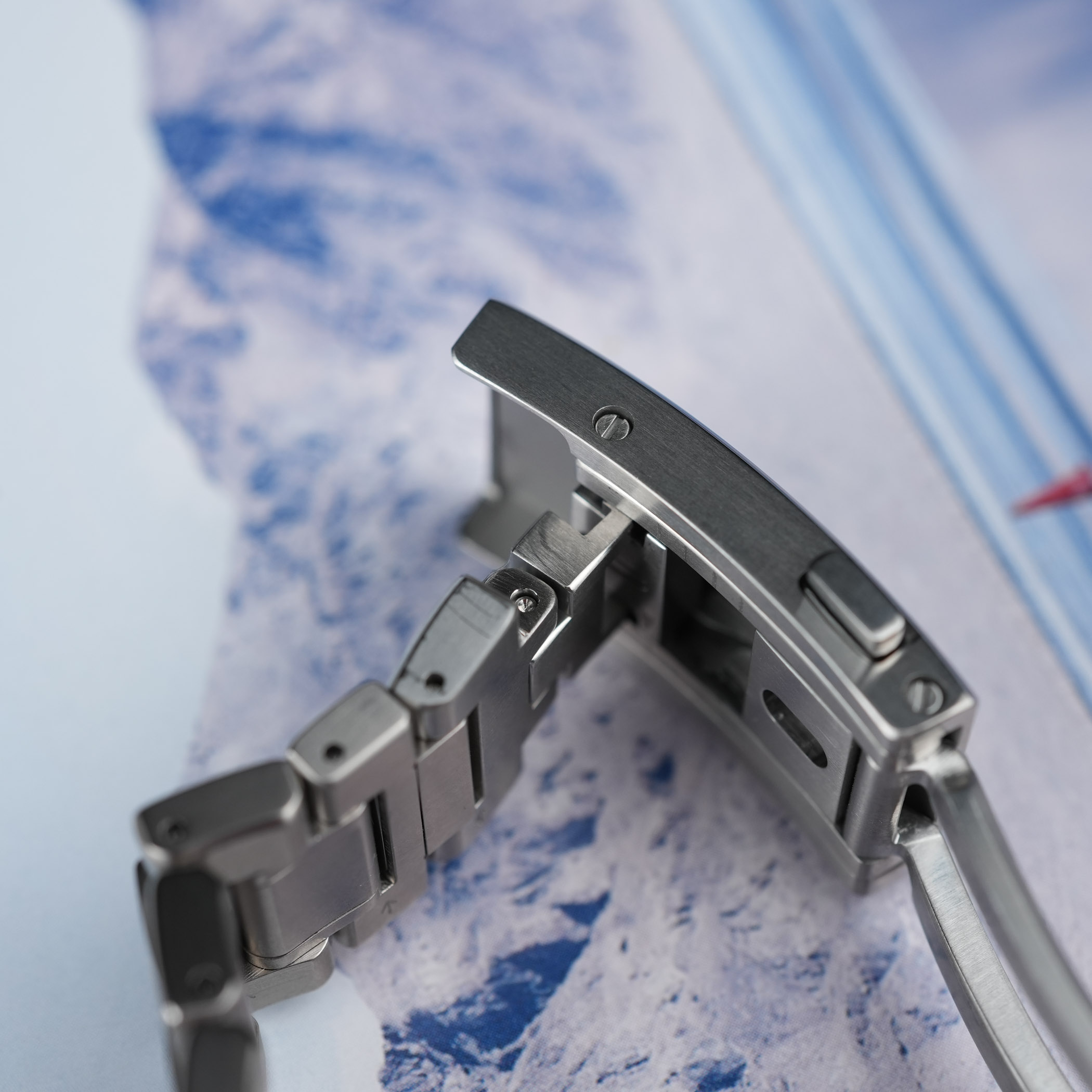
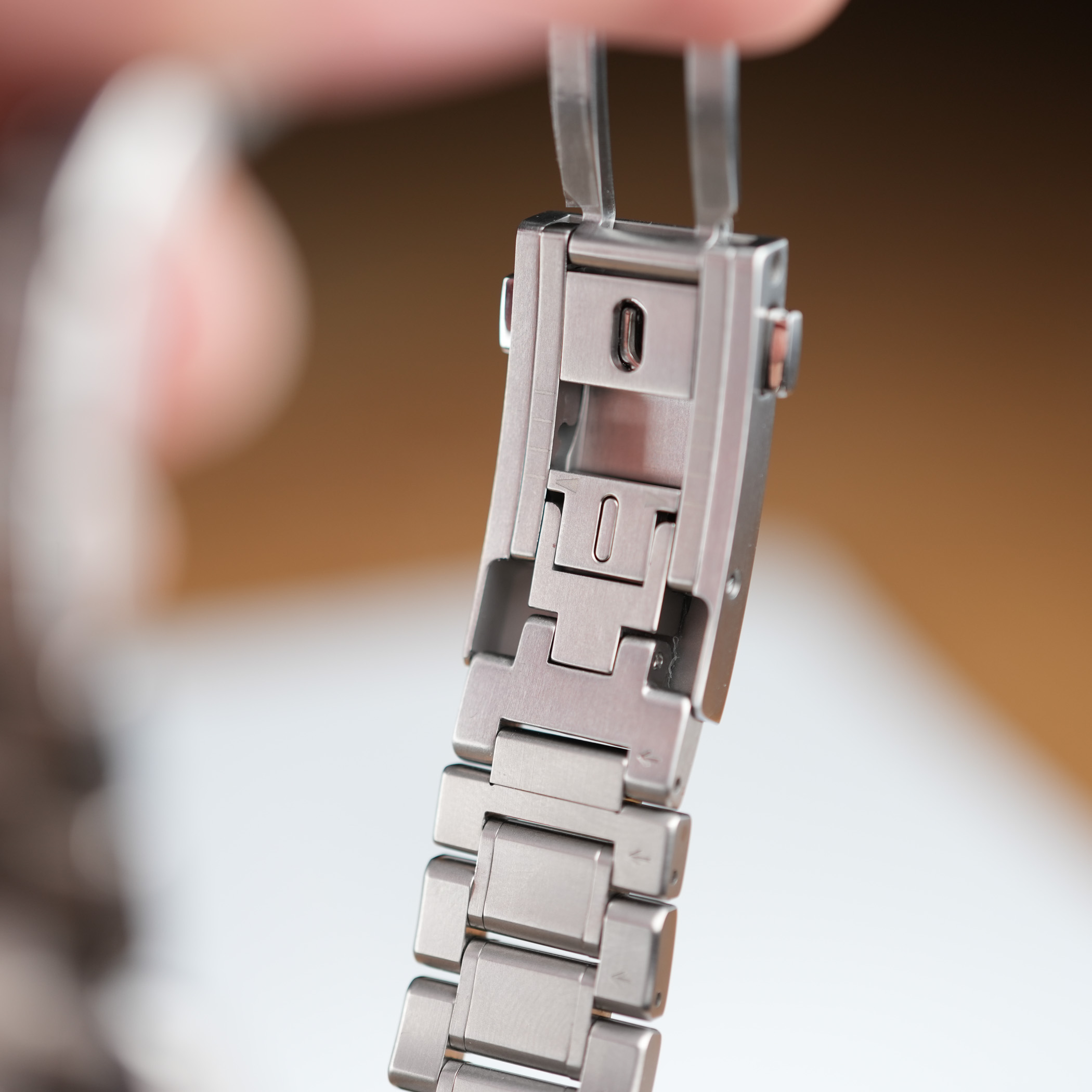
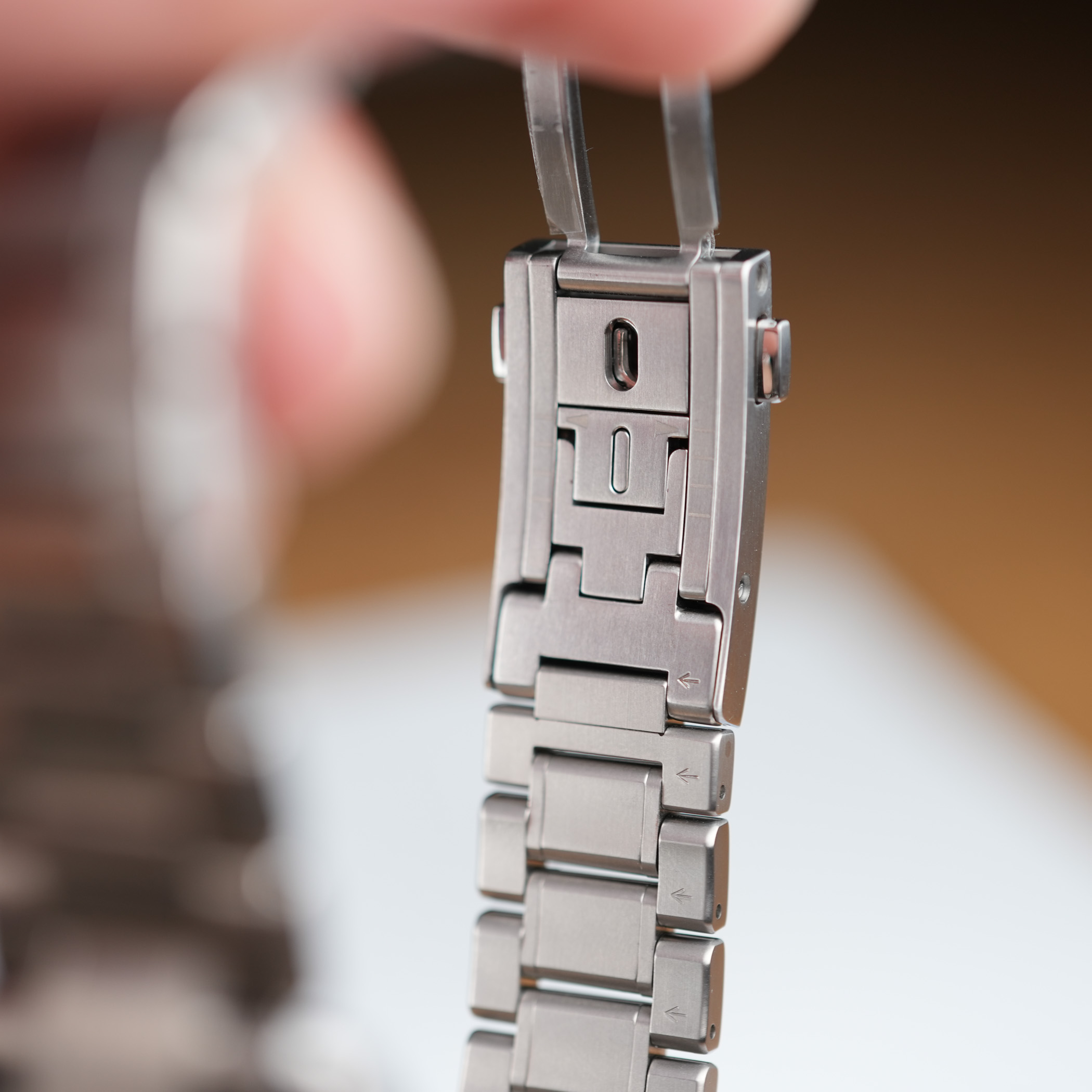
One of the most significant advancements in clasp technology is the ability to adjust the fit without removing the watch. Rolex's Glidelock, introduced in 2008, offers 20mm of adjustment in 2mm increments via a rack-and-notch system, perfect for diving over wetsuits. For even more extension, the Fliplock system on Sea-Dweller models adds an extra 26mm. Other brands have followed suit: Omega's Seamaster has a fold-out diver's extension, Seiko Prospex uses a ratcheting mechanism, and Tudor's Pelagos Ultra features an auto-adjustable spring that tightens with water pressure. Independent manufacturers like Delugs and Brogioli also offer micro-adjustable clasps, providing tool-free fine-tuning for a perfect fit.
Butterfly Clasps: Sleek and Seamless
Another Cartier invention, the butterfly clasp (or triple-deployant), folds entirely underneath the bracelet for a clean, uninterrupted look. With two hinged arms that open like butterfly wings, this clasp is hidden when closed, offering a sleek aesthetic. However, it may be less comfortable for those with smaller wrists, as the clasp can create a lump on the underside. Despite this, butterfly clasps remain popular on luxury bracelets for their seamless appearance.
Choosing the Right Clasp: Tips for Buyers
- Consider your lifestyle: If you're an active diver, look for clasps with extension systems like Glidelock or ratcheting mechanisms. For everyday wear, a simple deployant or butterfly clasp may suffice.
- Check adjustability: On-the-fly micro-adjustment is a game-changer for comfort, especially in varying temperatures. Brands like Tudor (T-Fit) and Horage (HMAC) offer excellent options.
- Material matters: Clasps come in steel, titanium, gold, and even ceramic. Choose one that matches your watch's case and your durability needs.
- Authenticity note: When purchasing replica watches, pay close attention to the clasp quality. High-grade replicas often mimic original clasp designs but may lack the precision and durability of genuine parts. Always buy from reputable sources like usashop.store to ensure you get a reliable product.
The Future of Clasps
As watch technology advances, so do clasps. We're seeing more integration of smart features, such as auto-adjusting mechanisms that respond to pressure and temperature. The trend towards tool-free, on-the-fly adjustments is likely to continue, making watches more comfortable and convenient than ever. Whether you prefer the classic pin buckle or a cutting-edge micro-adjustable clasp, the evolution of these small components is a testament to human ingenuity.
watch clasp history -
deployant clasp vs butterfly clasp -
micro-adjustable watch clasp -
Rolex Glidelock clasp -
best watch clasps for comfort -
What is a deployant clasp? -
How does a butterfly clasp work? -
What is the Glidelock clasp on Rolex? -
Are micro-adjustable clasps worth it? -
Which watch clasp is most secure? -
How do I adjust a watch clasp? -
What is the difference between a folding and deployant clasp? -
Can I replace a watch clasp? -
What is the best clasp for a leather strap? -
How does Tudor's T-Fit clasp work? -
RECOMMENDED
You may also like
Private Concierge
If you have any questions about purchasing or after-sales service for watches, please contact me using the contact information provided!
 +447599352109
 liuyanhua19999s扫二维码,请加我为好友。
扫二维码,添加我为朋友。
ID: liuyanhua19999s