
Encyclopedia
Celestial Mechanics: A Guide to Astronomical Watch Complications
Introduction
All timekeeping finds its roots in the heavens. It's no wonder that clocks and watches capable of mimicking celestial movements have long been celebrated as pinnacles of horological achievement. These astronomical complications transform vast cosmic cycles into readable, visual displays, capturing the imagination of collectors and enthusiasts alike.
The Origins of Astronomical Timekeeping
Long before mechanical clocks, humans looked to the sky to mark time. The rising and setting of the sun, the phases of the moon, and the changing seasons guided agriculture, travel, and rituals. Early devices like the Egyptian water clock, or clepsydra, were among the first attempts to mechanize these celestial observations.
The day is defined by Earth's rotation, the month by the lunar cycle, and the year by Earth's orbit around the sun. Civil time, as we know it, is a uniform abstraction of these natural cycles. Astronomical complications restore some of the lost detail, offering a direct connection to the cosmos.
Key Astronomical Complications
Moon Phase
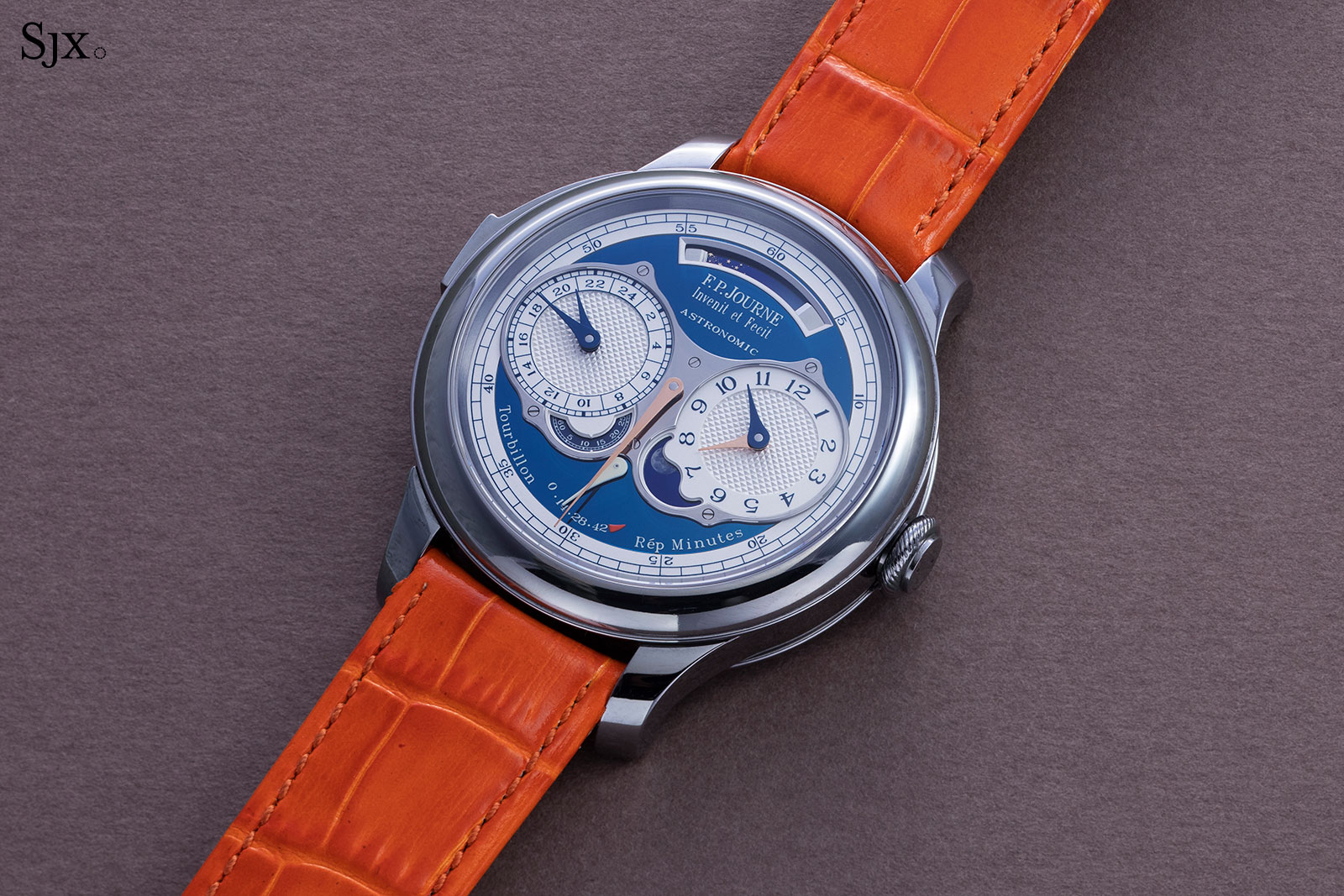
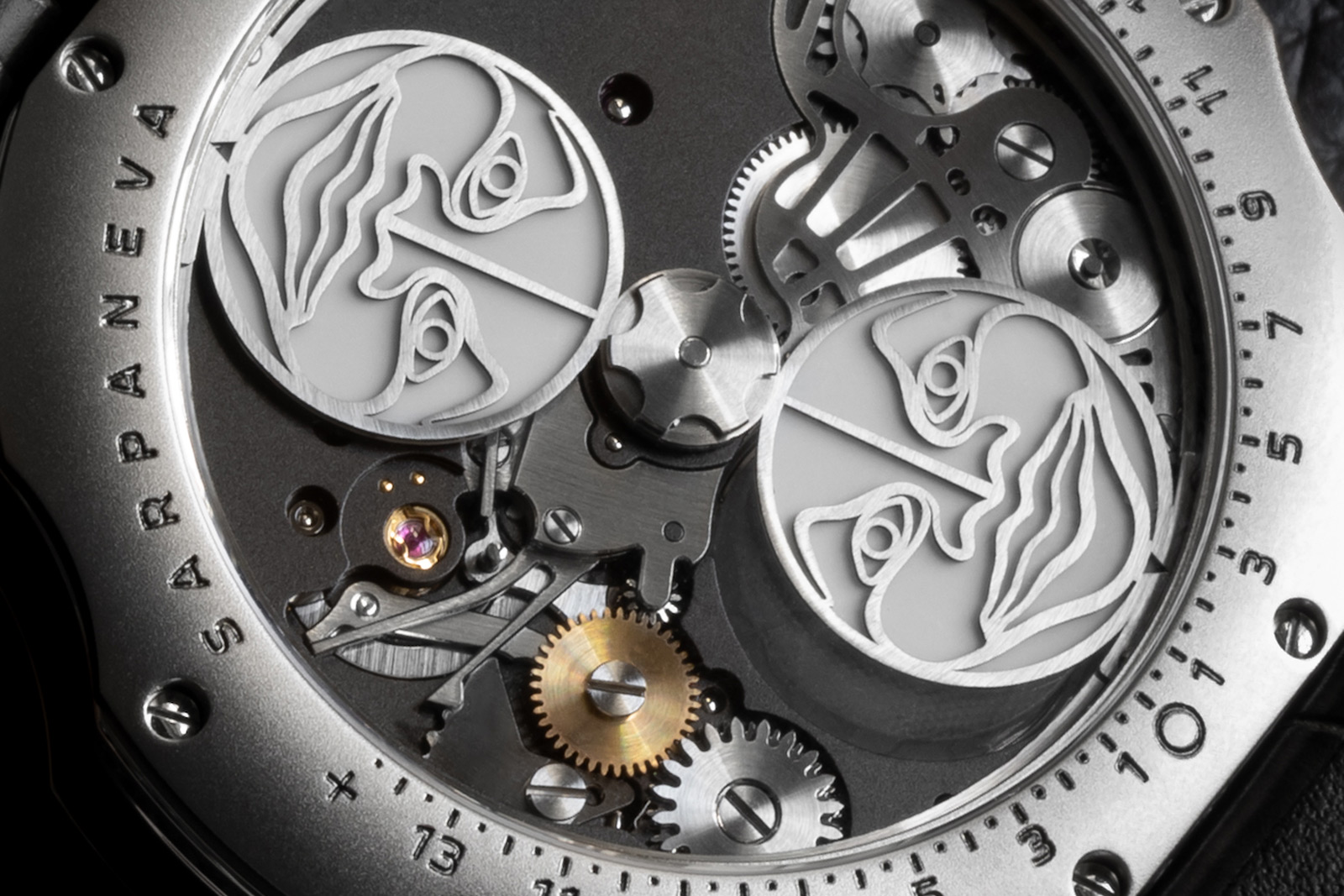
The moon phase is the most common astronomical complication, representing the 29.53-day synodic month. High-end versions, like those crafted by Andreas Strehler for Sarpaneva, can achieve remarkable accuracy, deviating by only one day every 14,000 years.
Equation of Time
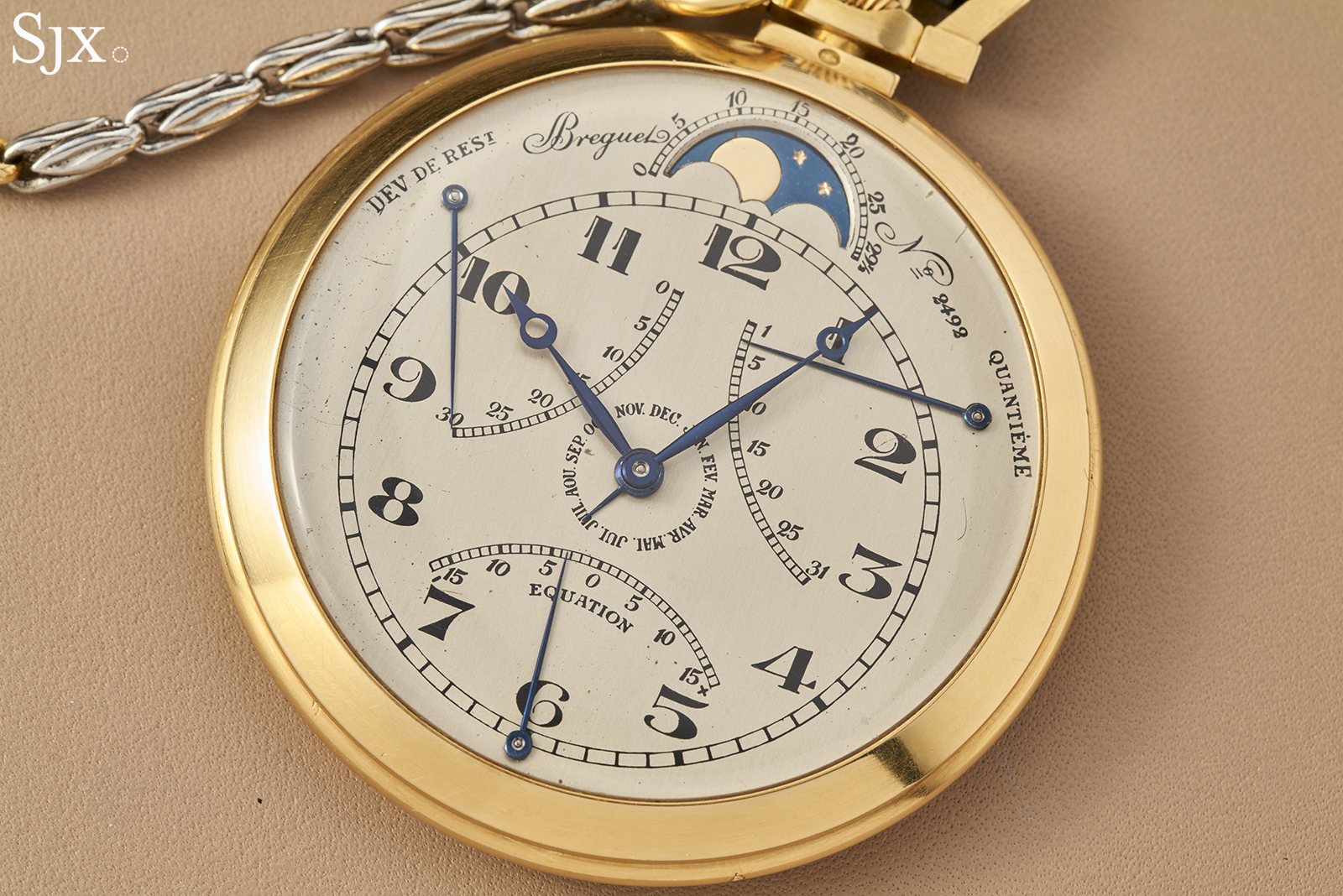
The equation of time (EOT) shows the difference between mean solar time (civil time) and apparent solar time as indicated by the sun's position. This complication highlights the elliptical nature of Earth's orbit and the tilt of its axis.
Sidereal Time and Star Charts
Sidereal time measures Earth's rotation relative to distant stars. Some watches display this as a rotating star chart, a format that has appealed to collectors since the early 20th century.
Sunrise and Sunset
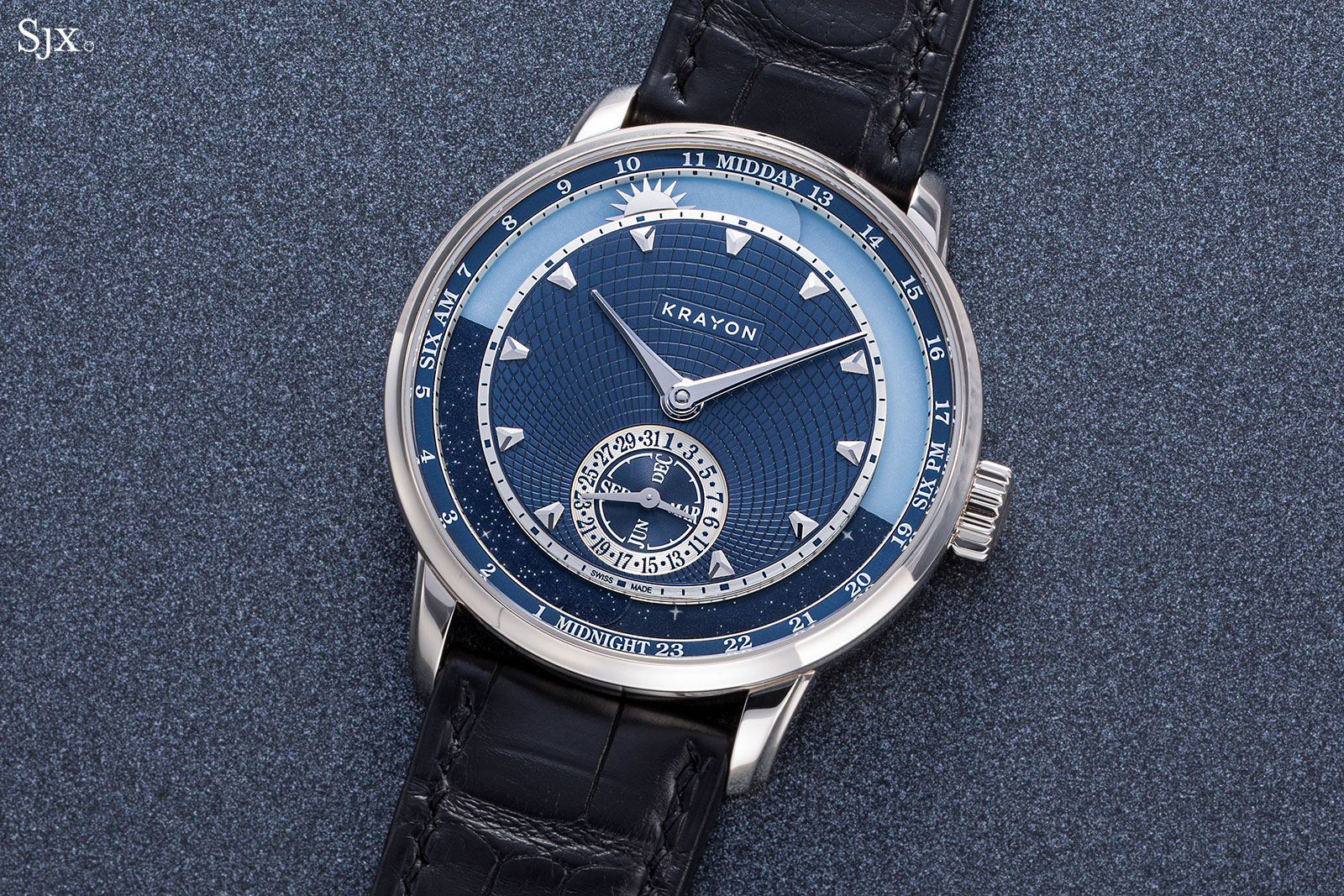
Indications for sunrise, sunset, and day length are tied to a specific location, requiring the watchmaker to encode the observer's latitude and longitude. The Krayon Anywhere, for instance, allows adjustment for different locations.
Zodiac and Planetariums
Some watches show the signs of the zodiac, a centuries-old way of dividing time. Orreries, or planetariums, display the real-time positions of planets, as seen in the Van Cleef & Arpels Midnight Planétarium.
Historical Significance
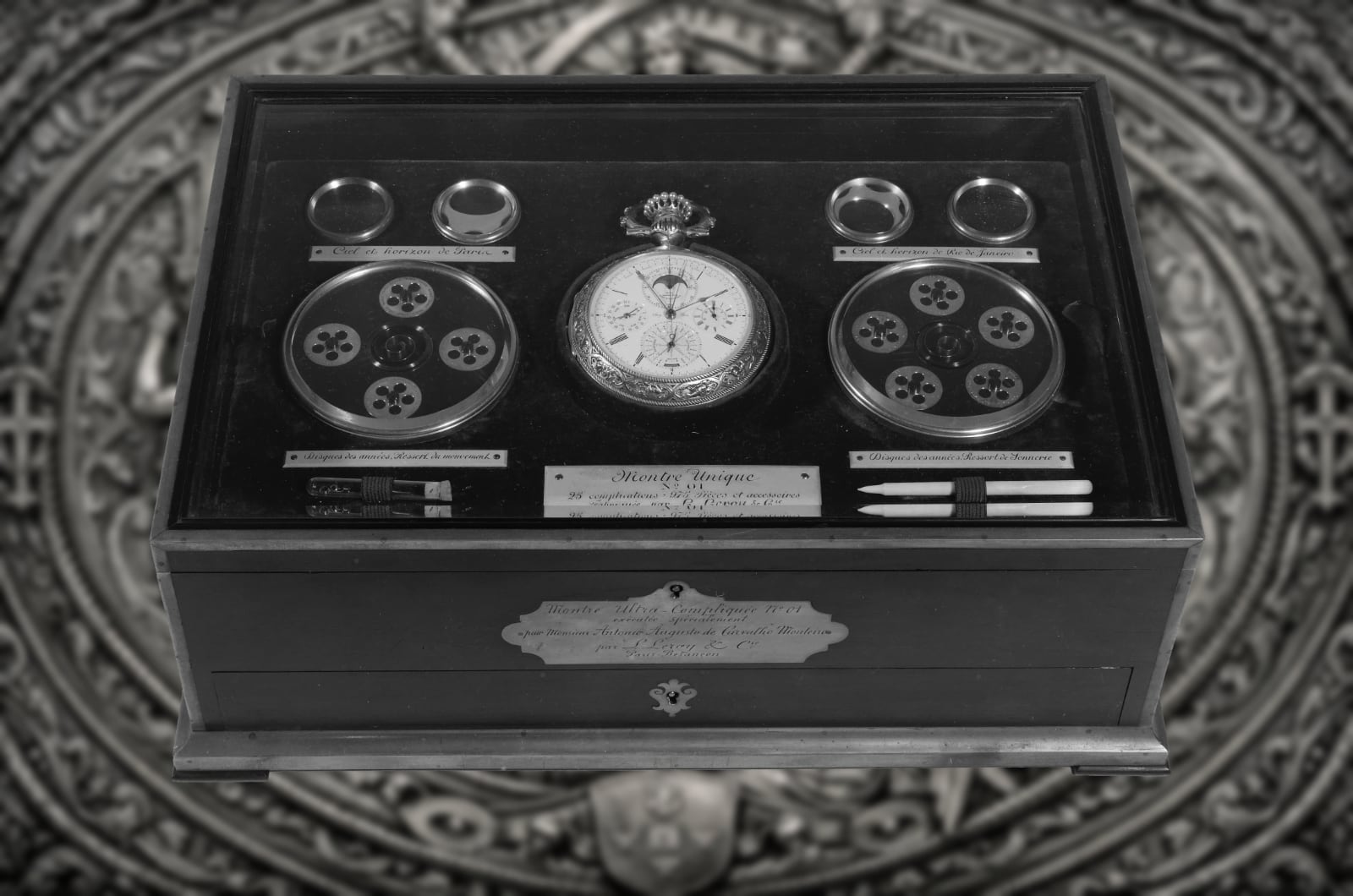
Astronomical clocks were once symbols of political power. The Creation of the World clock, made for Louis XV in 1754, was both a scientific instrument and a statement of dominion. Wealthy industrialists like Henry Graves Jr. and James Ward Packard commissioned pocket watches that depicted the night sky above their homes, treating them as personal celestial maps.
Today, leaders and tech moguls continue this tradition. Mark Zuckerberg has been spotted wearing an F.P. Journe Astronomic Souveraine, configured for his own coordinates.
Modern Revival and Mastery
The resurgence of astronomical complications owes much to Ludwig Oechslin, who restored the Farnese Clock in the Vatican and later designed the Ulysse Nardin Trilogy of Time. These watches pack an array of celestial indications into relatively simple modules, showcasing mathematical brilliance.
Japanese efforts, like the reproduction of Tanaka Hisashige's Myriad Year Clock, and Hublot's recreation of the Antikythera mechanism, demonstrate the enduring fascination with mechanical models of the cosmos.
Buying Tips
When considering an astronomical watch, focus on the accuracy of the complication, ease of setting, and the reputation of the maker. Some models, like the moon phase, are common, while others, such as a full planetarium, are rare and collectible. Always verify authenticity and service history.
Authenticity Notes
Given the complexity of astronomical watches, counterfeits abound. Ensure the movement's finishing and the precision of the celestial displays meet the brand's standards. Seek documentation and provenance from reputable sources.






astronomical watch complications guide -
moon phase watches -
equation of time watches -
planetarium watches -
luxury watch collecting -
What is an astronomical complication in a watch? -
How does a moon phase watch work? -
What is the equation of time in horology? guide -
Which watch has the most accurate moon phase? -
What is a planetarium watch? -
Why are astronomical watches so expensive? -
How do you set a moon phase on a watch? -
What is the history of astronomical clocks? -
Are astronomical complications practical for daily wear? -
What is the Antikythera mechanism? -
RECOMMENDED
You may also like
Private Concierge
If you have any questions about purchasing or after-sales service for watches, please contact me using the contact information provided!
 +447599352109
 liuyanhua19999s扫二维码,请加我为好友。
扫二维码,添加我为朋友。
ID: liuyanhua19999s