
Encyclopedia
Understanding Grande Sonnerie Click Wheels: A Deep Dive
Introduction to Grande Sonnerie Click Wheels
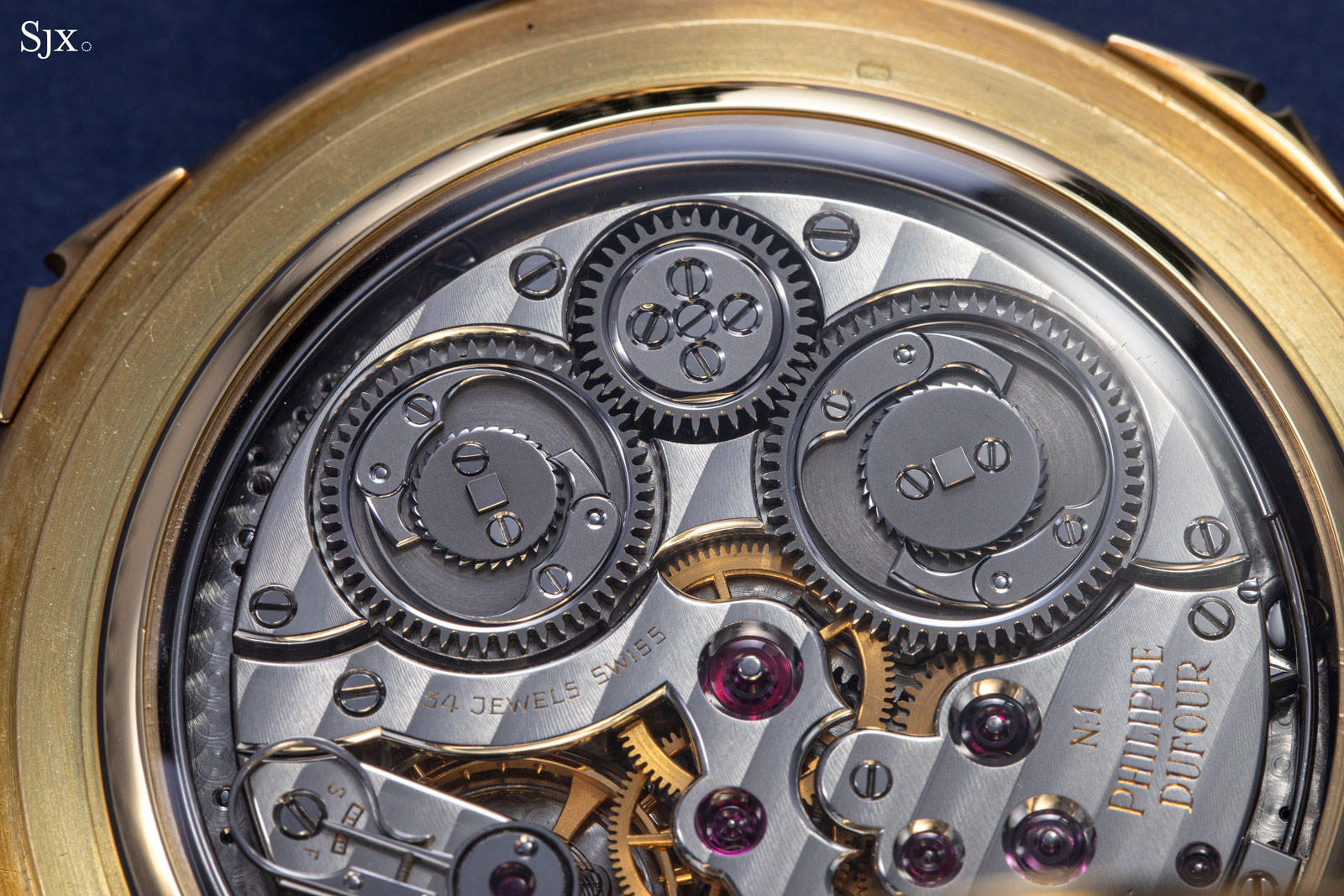
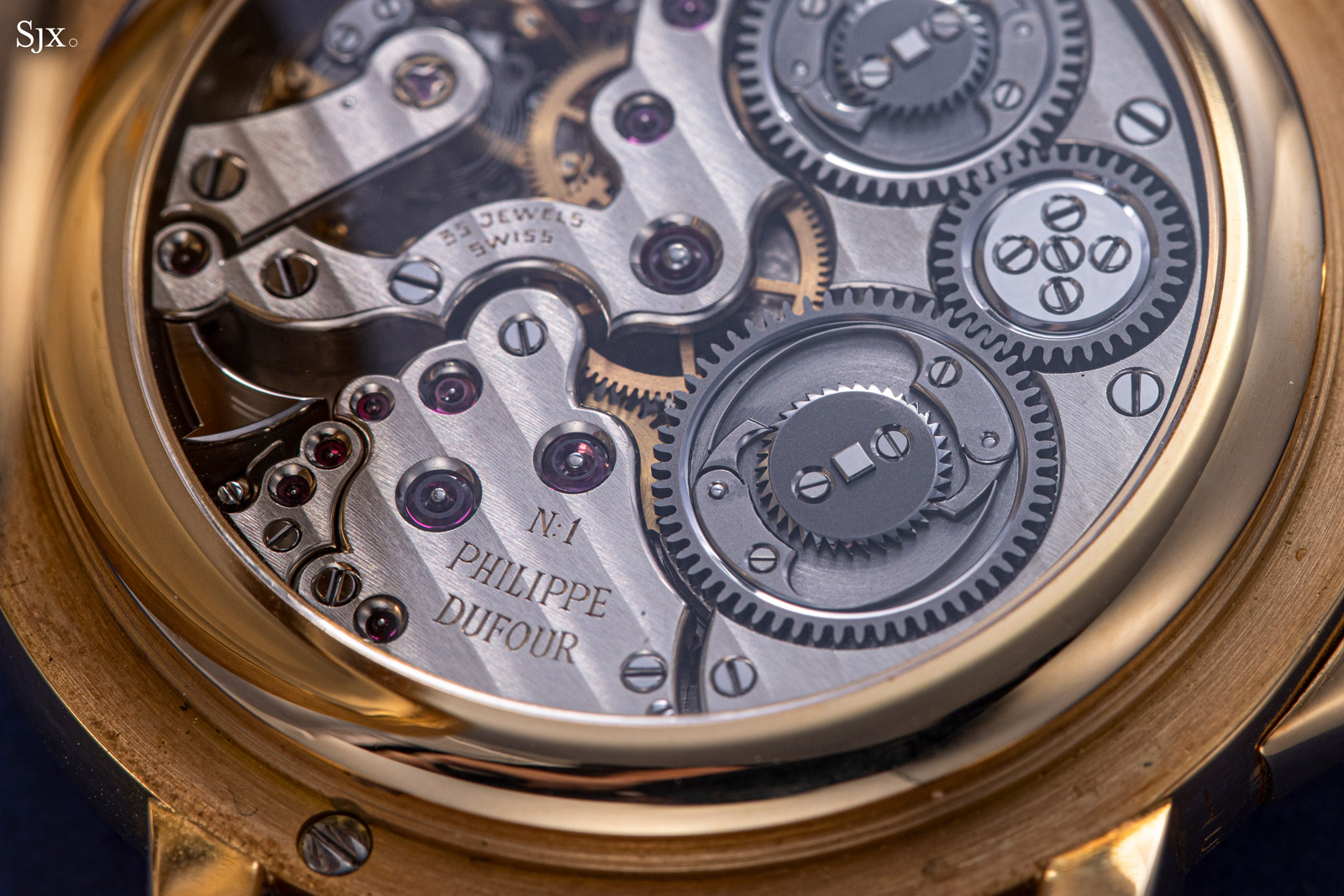
Grande sonnerie watches are celebrated for their complex chiming mechanisms, and one of their most distinctive visual features is the pair of large, intricately finished click wheels. These components are not just decorative; they solve a critical engineering problem: how to wind two separate mainspring barrels independently using a single crown. This article explores the mechanics, history, and variations of this elegant system.
Why Two Barrels?
A grande sonnerie complication automatically strikes the hours and quarters, requiring significant power to operate throughout the day. To meet this demand, movements typically incorporate a second mainspring barrel dedicated solely to the striking mechanism. This barrel is isolated from the timekeeping train because the two barrels unwind at different rates: the striking barrel turns quickly but only for short bursts, while the going barrel provides a slow, steady release of energy.
Because the barrels discharge unevenly, winding them in sync would over-strain one of them, as their states of winding are rarely identical. Therefore, they must be wound independently. The solution, developed in the mid-19th century, is a shared winding train with two click wheels that allow each barrel to be wound separately via the crown.
The Mechanics of Double Click Wheels
The double click wheel system, sometimes referred to as differential winding (though the name is a historical quirk, as no differential action occurs), is a hallmark of Vallée de Joux watchmaking. Its exact origin is debated, with Sylvain Mairet and Louis Audemars often credited, though no patents were filed. The system likely emerged around the 1850s.
In a standard watch, the crown's winding position engages a sliding pinion to wind the mainspring in one direction. In a grande sonnerie, the crown's winding position is fully utilized: rotating it clockwise winds one barrel, and counterclockwise winds the other. This is achieved through a crown wheel that meshes with a pinion on the crown stem, remaining engaged regardless of direction.
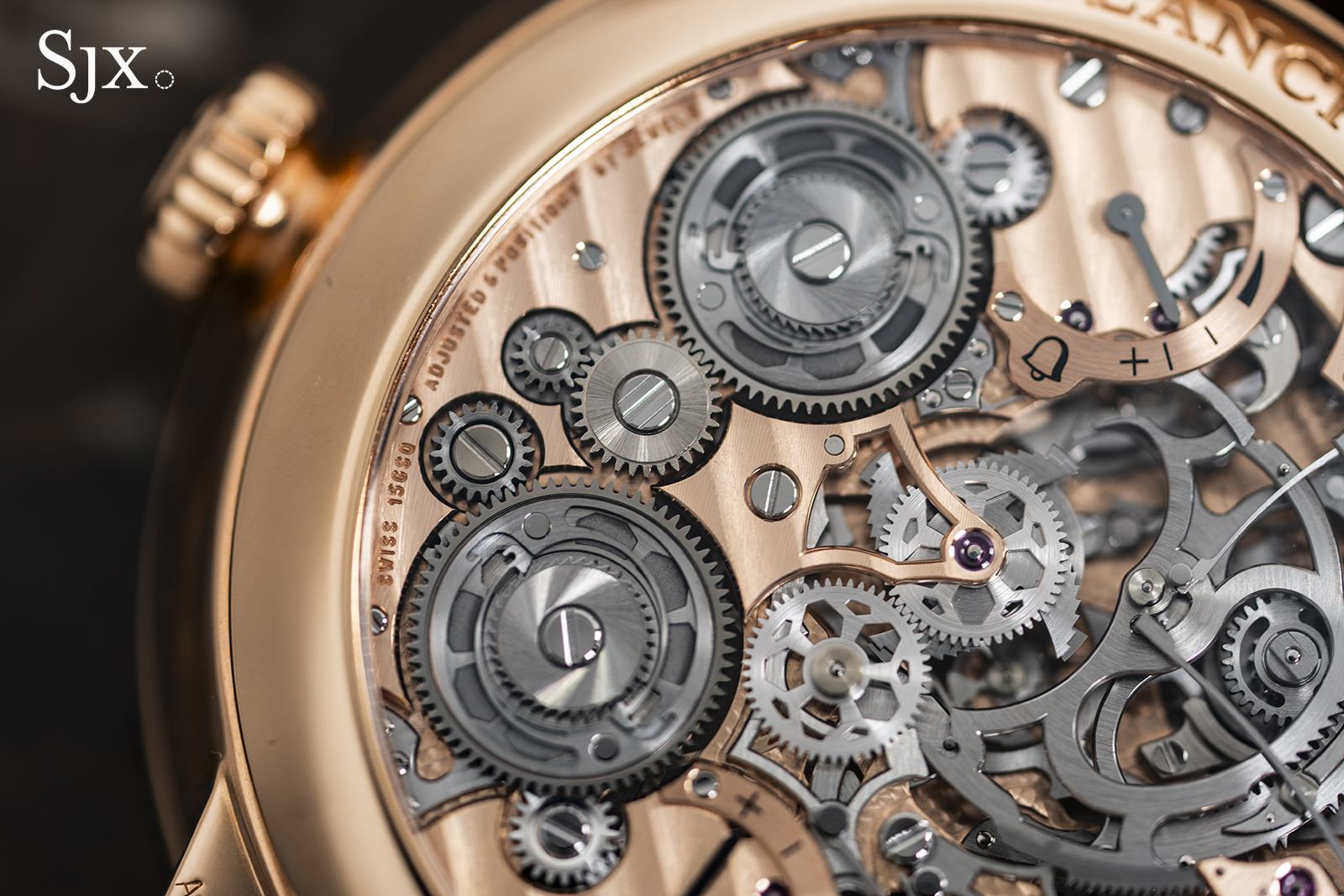
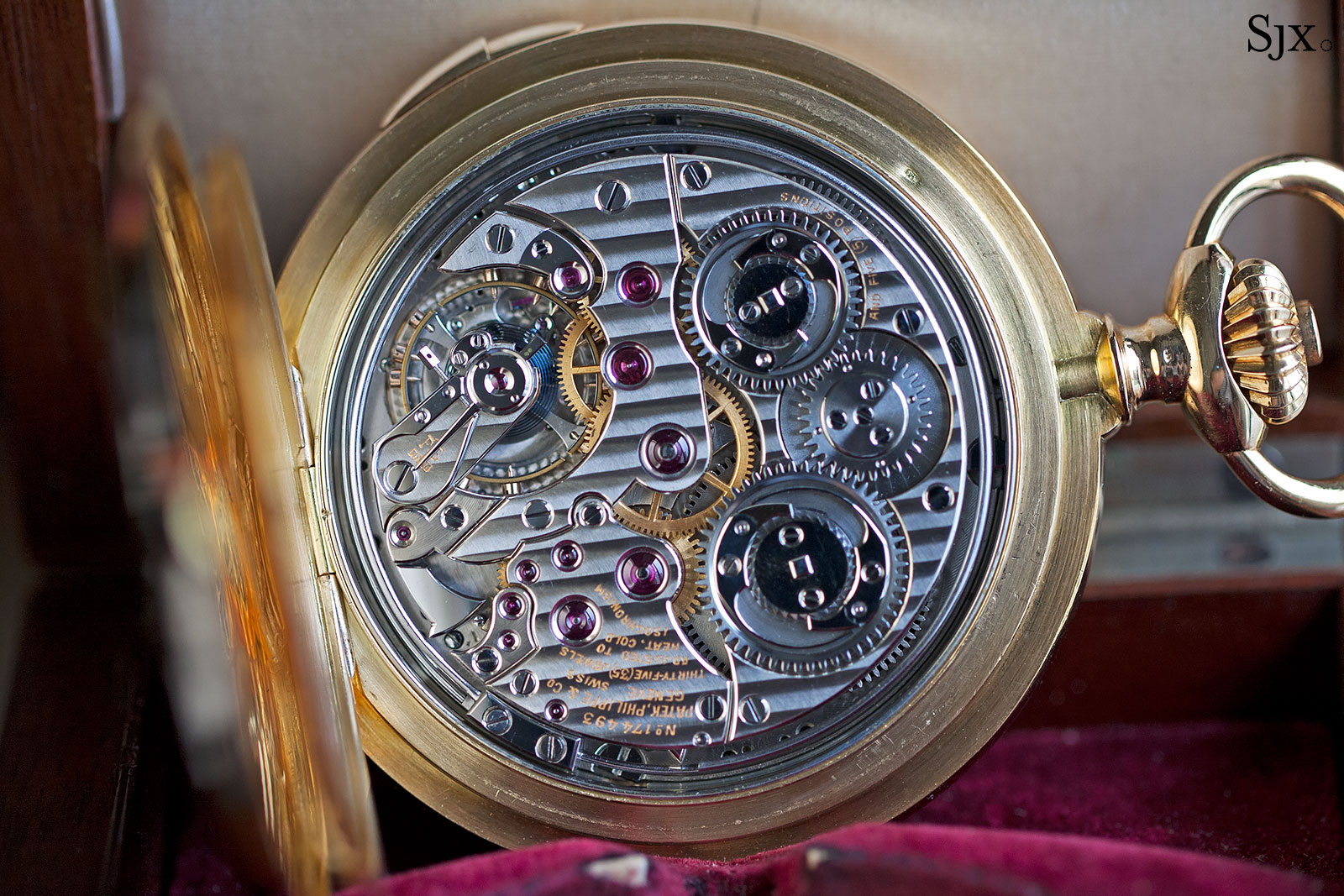
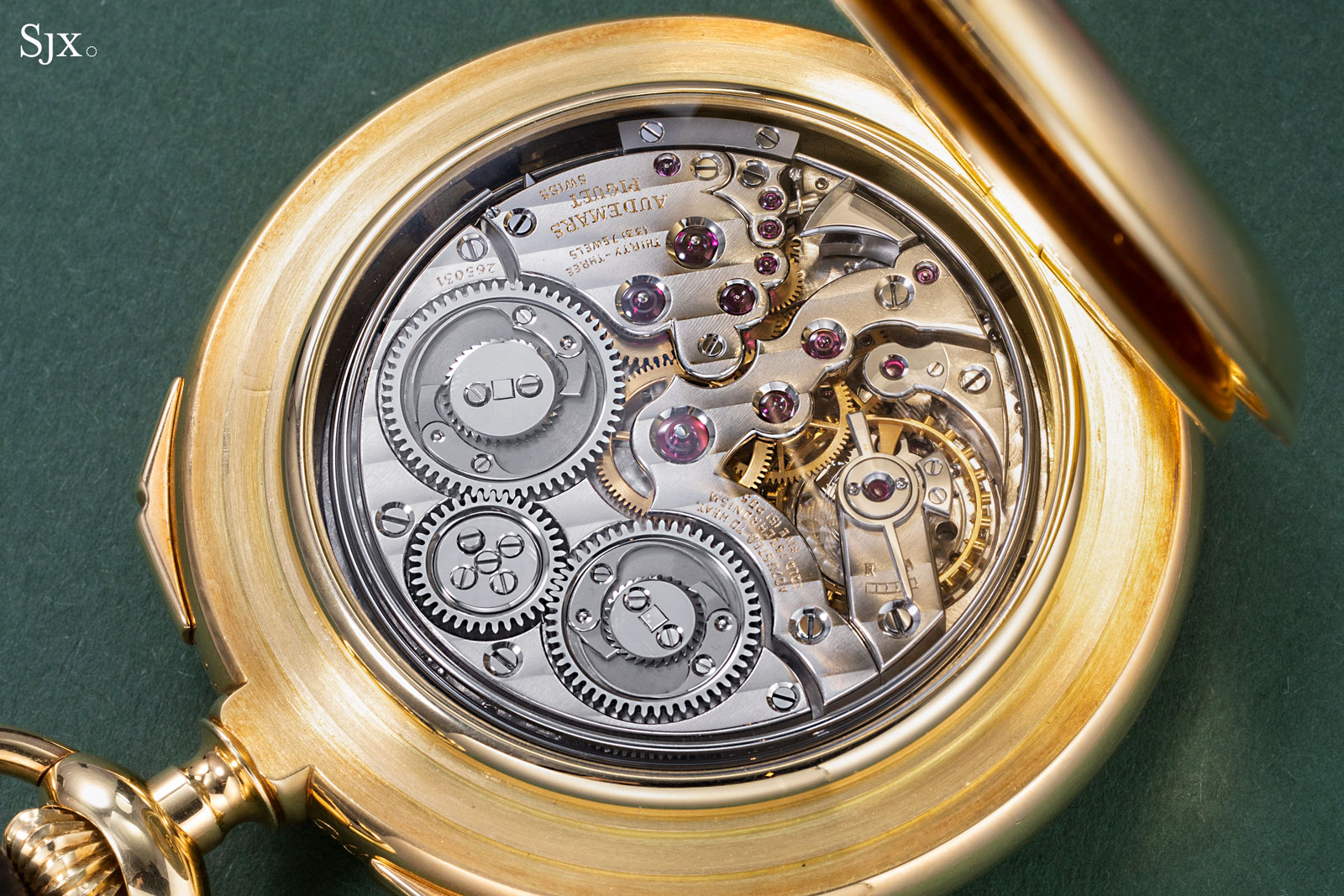
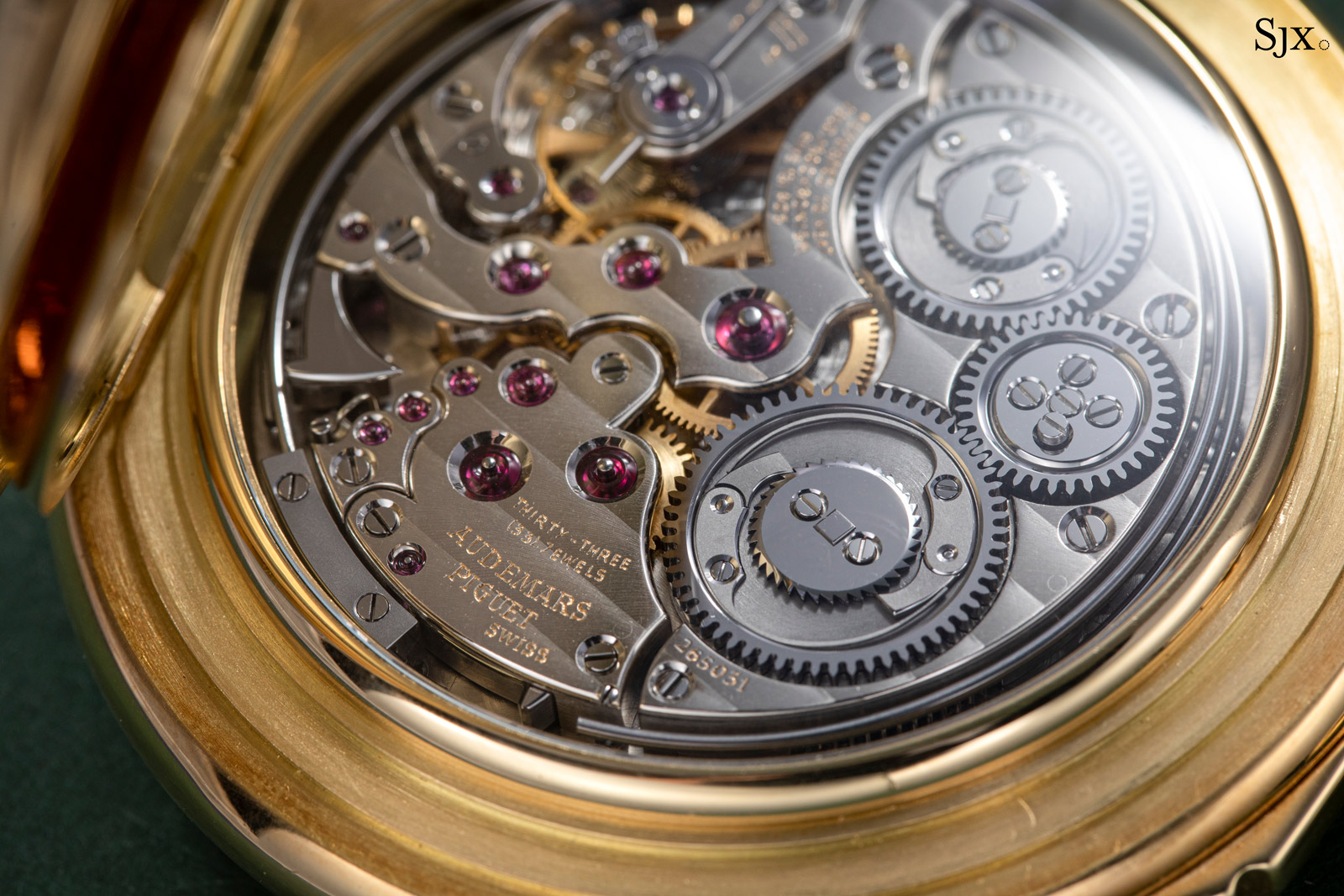
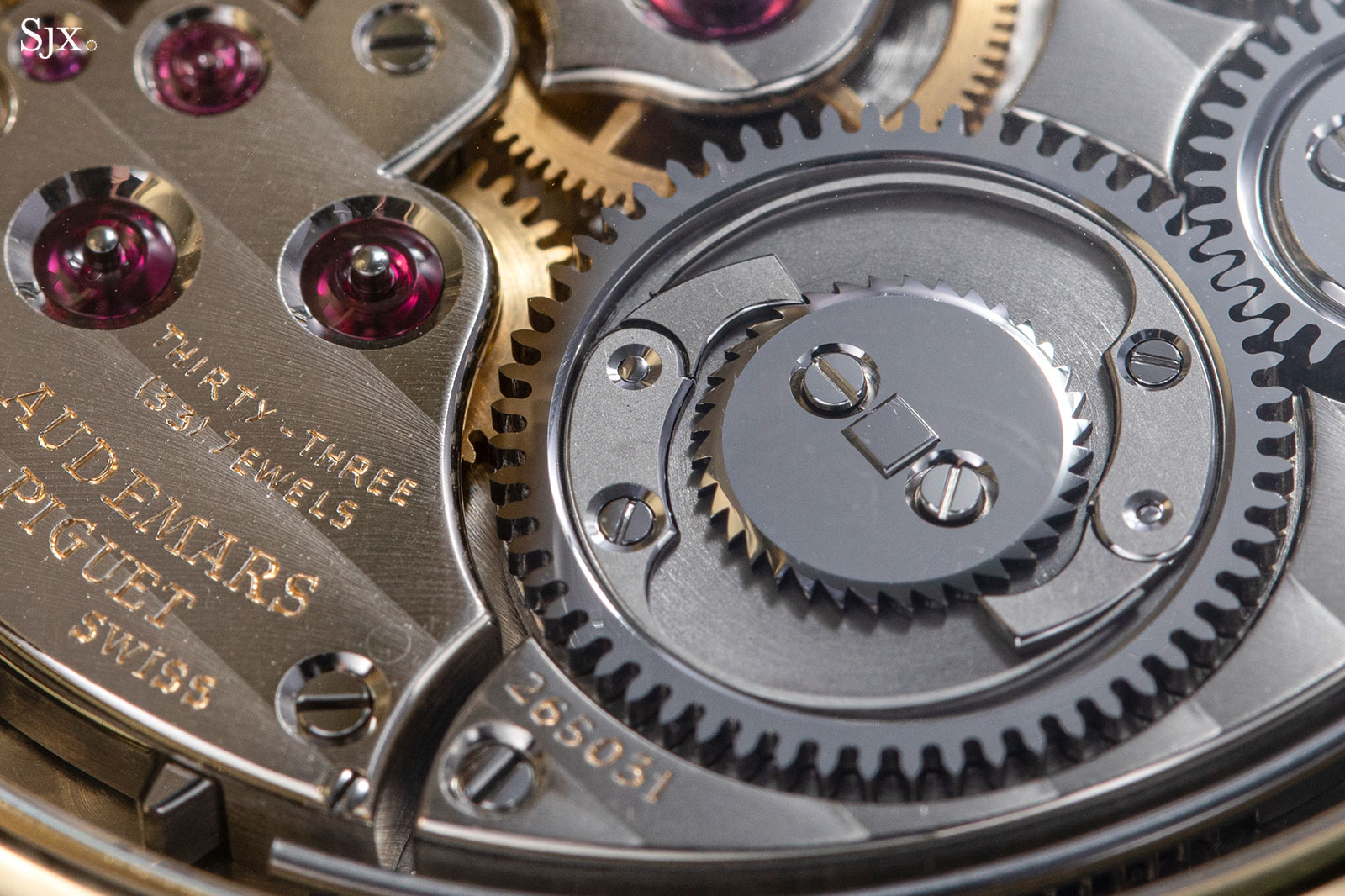
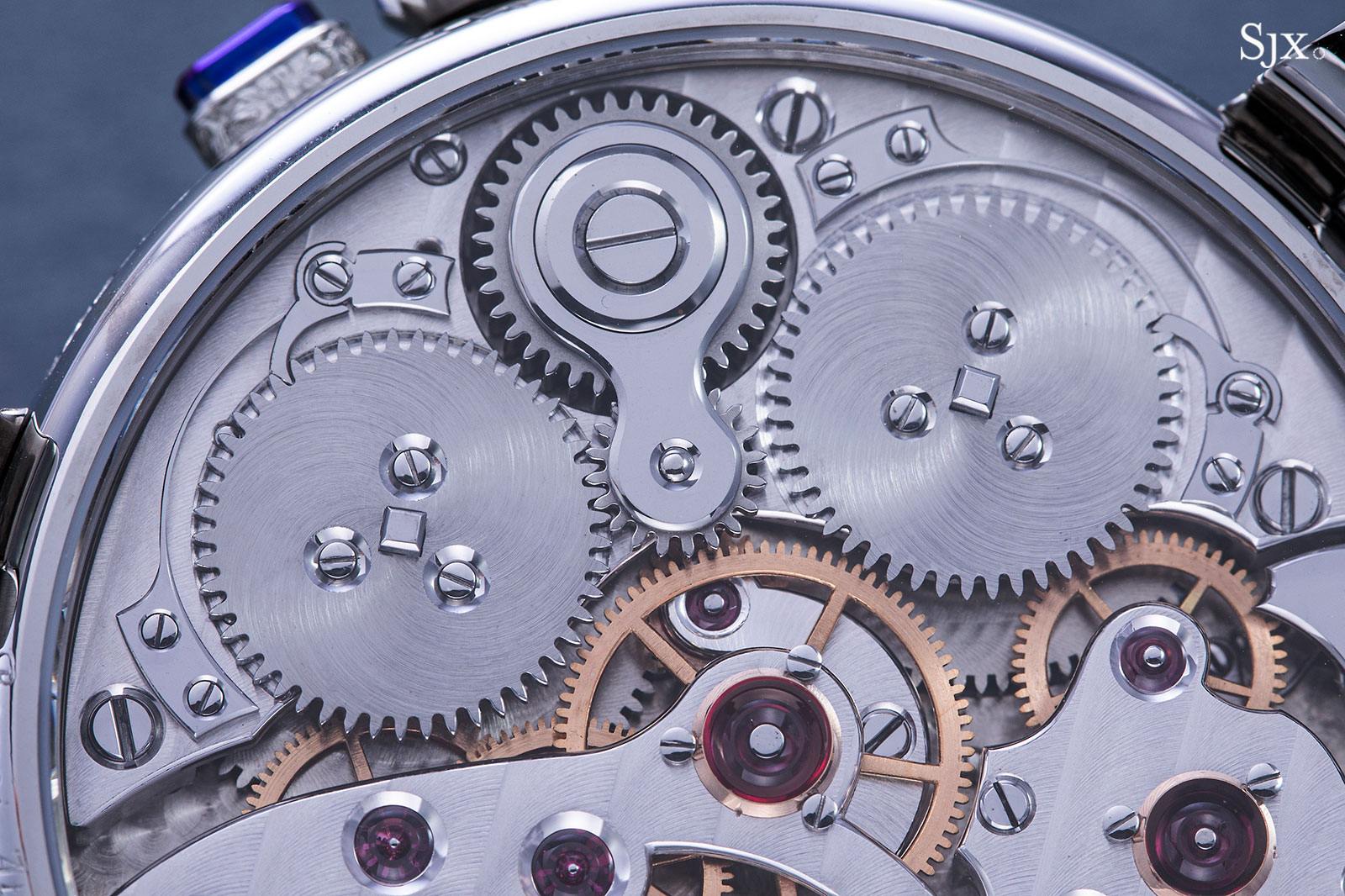
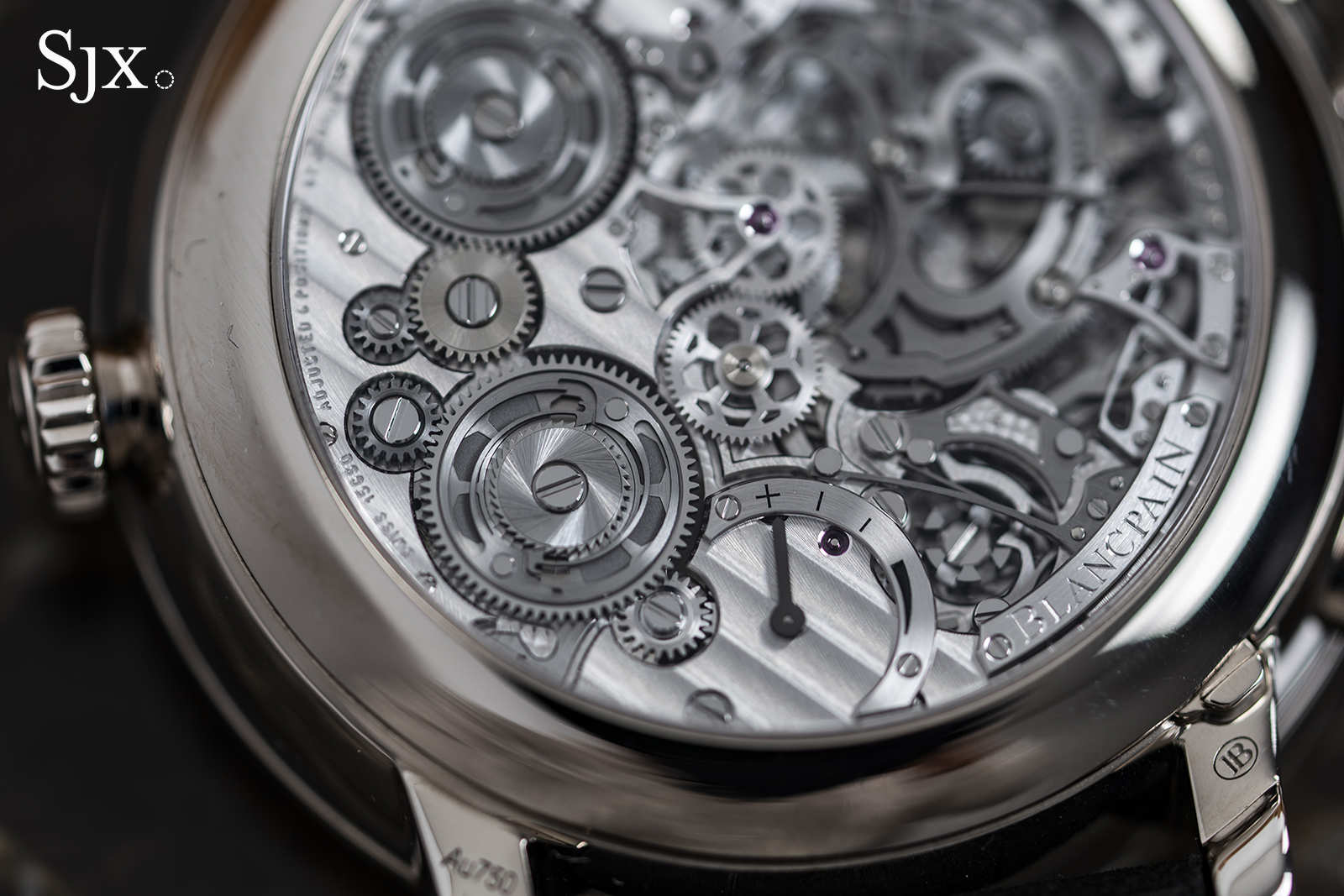
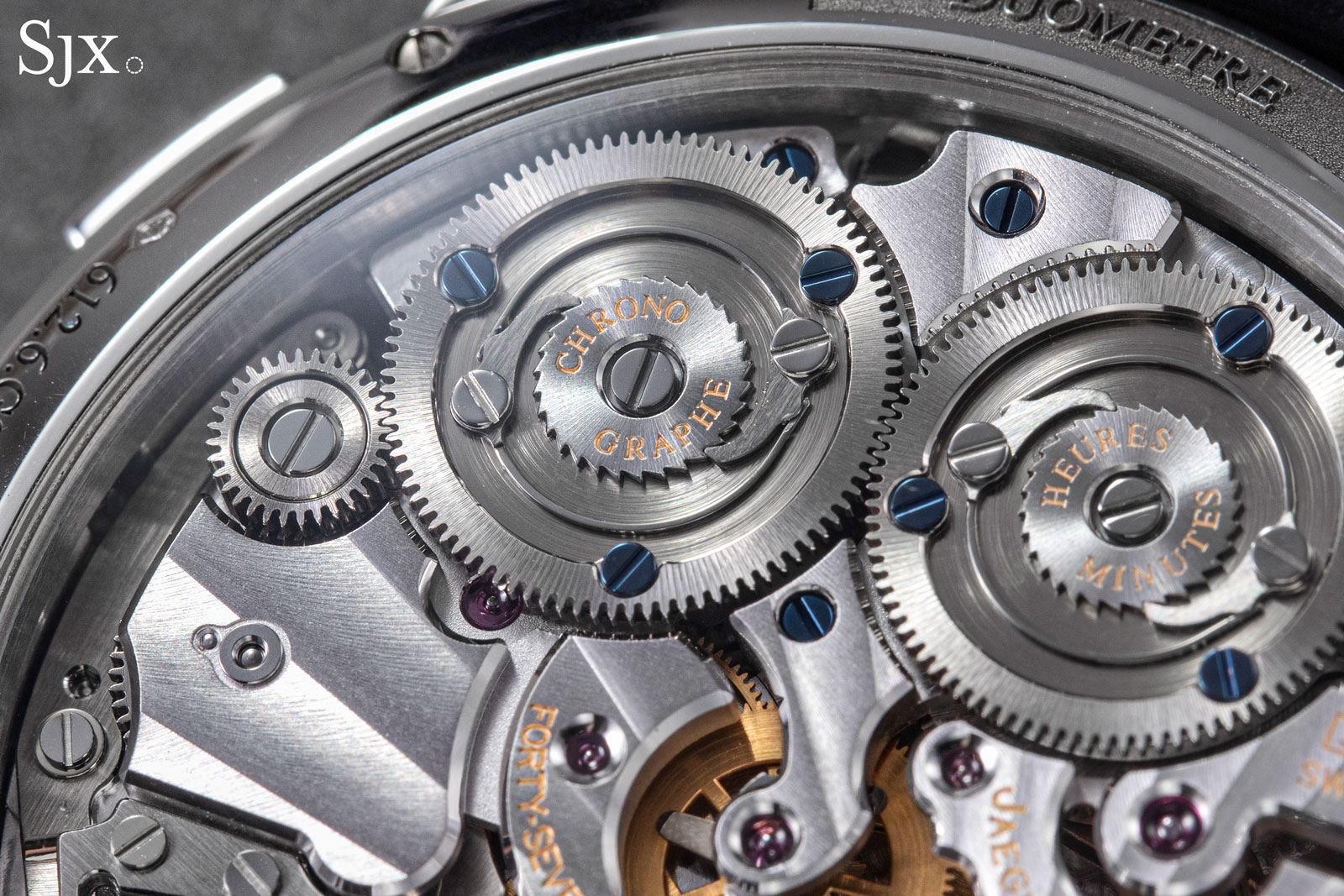
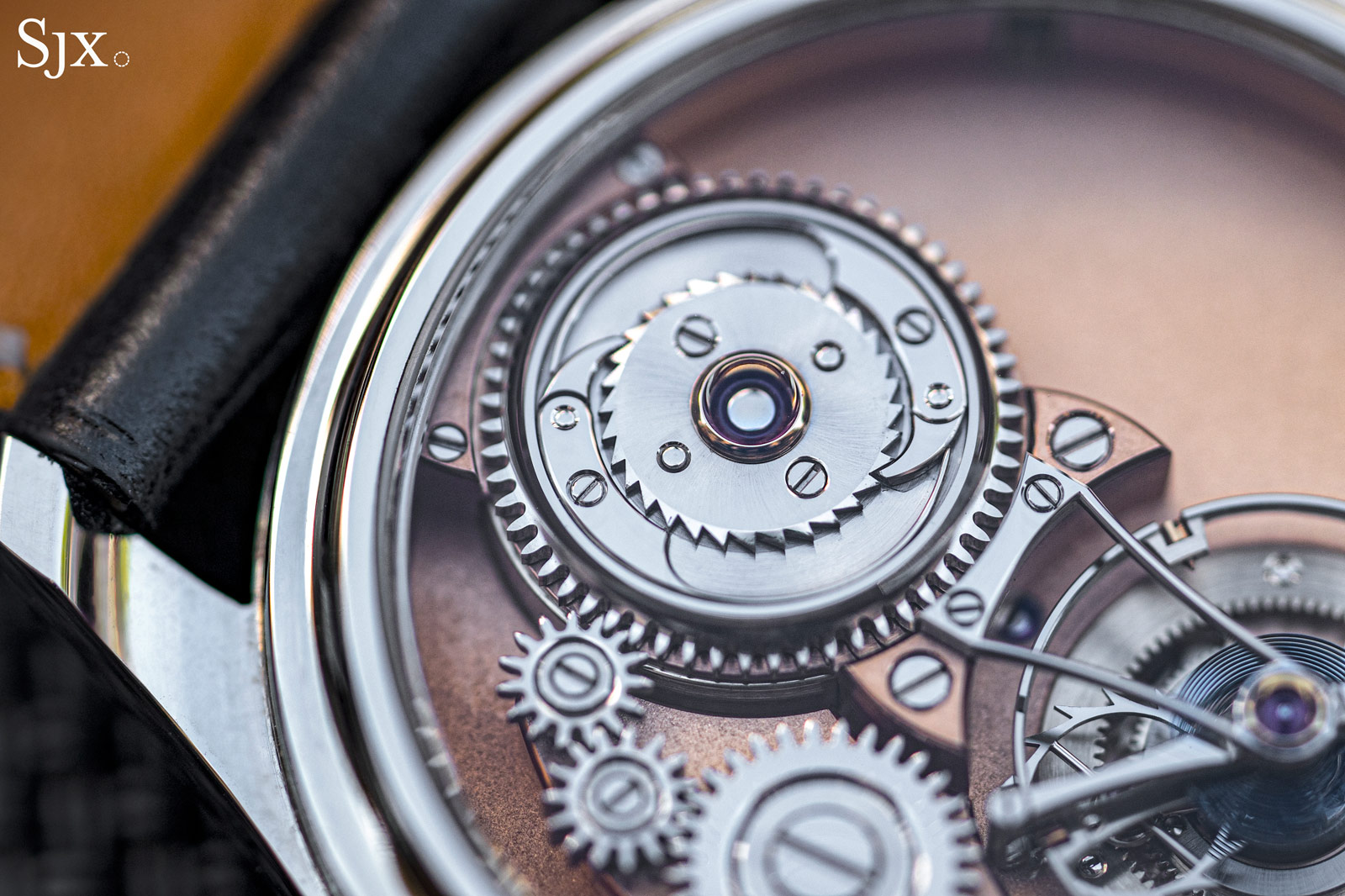
The two click wheels are connected via an intermediate gear, so they turn together. Each click wheel consists of a central ratchet wheel, a pair of symmetric click pieces, and the large click wheel itself. The ratchet has an even number of teeth, allowing both clicks to engage simultaneously. The click wheel pivots on the mainspring arbor but does not directly engage it. Instead, the click pieces catch the ratchet depending on the rotation direction, either turning it or sliding over the angled teeth. This allows the clicks to 'fly' around the arbor, a counterintuitive feature compared to classic movements.
The ratchet is journaled to the arbor, so when it turns, it winds the mainspring. The two ratchets are arranged so that when the click wheels turn one way, only one arbor is engaged, while the other's clicks ratchet over the teeth. Reversing direction swaps their roles. This principle is similar to the paired reversers in automatic winding mechanisms.
To ensure smooth operation, the arbors must be locked when not winding. A second ratchet wheel, hidden beneath the main click wheel, works with a click piece set into the movement to lock the arbor, just like in ordinary movements.
Variations and Other Applications
While the sonnerie-style click system is primarily found in traditional chiming movements, some notable variations exist. The Blancpain Grande Double Sonnerie, for example, uses smaller intermediary pinions instead of a large crown wheel and integrates the clicks with the springs, giving a more contemporary look. Jaeger-LeCoultre's 'Dual-Wing' movements incorporate double click wheels to wind two barrels independently, but without an intermediary crown wheel. Some single-barrel watches, like the Takahiko Aigaki Direct Impulse Tourbillon and the Greubel Forsey Balancier QM, use a sonnerie-style click wheel to wind a single barrel, allowing the crown to disengage directly from the ratchet and eliminating the need for a sliding pinion.
Another approach, invented by César Racine, uses a rocking crown wheel that slides between two ordinary click wheels, engaging them selectively. This system, used in some Zenith clock-watches and Vulcain's Cricket alarm movements, is generally considered less refined. The Bexei Vox Vinum is a rare grande sonnerie that uses this rocker mechanism instead of the namesake click wheels.
Conclusion
Grande sonnerie click wheels exemplify the art of solving a technical challenge with elegance. They allow independent winding of two barrels, a necessity for the complex striking mechanism, while adding a layer of visual sophistication to the movement. This pursuit of refined solutions is what elevates mechanical watchmaking to an art form, and the click wheel system remains a testament to that spirit.

grande sonnerie click wheels -
double barrel winding system -
sonnerie winding mechanism -
chiming watch movement -
independent barrel winding -
What is a grande sonnerie movement? -
How does a double click wheel work? -
Why do grande sonnerie watches have two barrels? -
What is the history of the sonnerie click wheel? -
Which watches use sonnerie-style click wheels? -
What is the difference between grande and petite sonnerie? -
How is a grande sonnerie wound? -
What is the purpose of a crown wheel in a watch? -
How does a ratchet and click mechanism work? -
What is the significance of click wheels in high-end watches? -
RECOMMENDED
You may also like
Private Concierge
If you have any questions about purchasing or after-sales service for watches, please contact me using the contact information provided!
 +447599352109
 liuyanhua19999s扫二维码,请加我为好友。
扫二维码,添加我为朋友。
ID: liuyanhua19999s