
Encyclopedia
The Rise of the Inverted Movement: A New Era in Watch Design
What Defines an Inverted Movement?
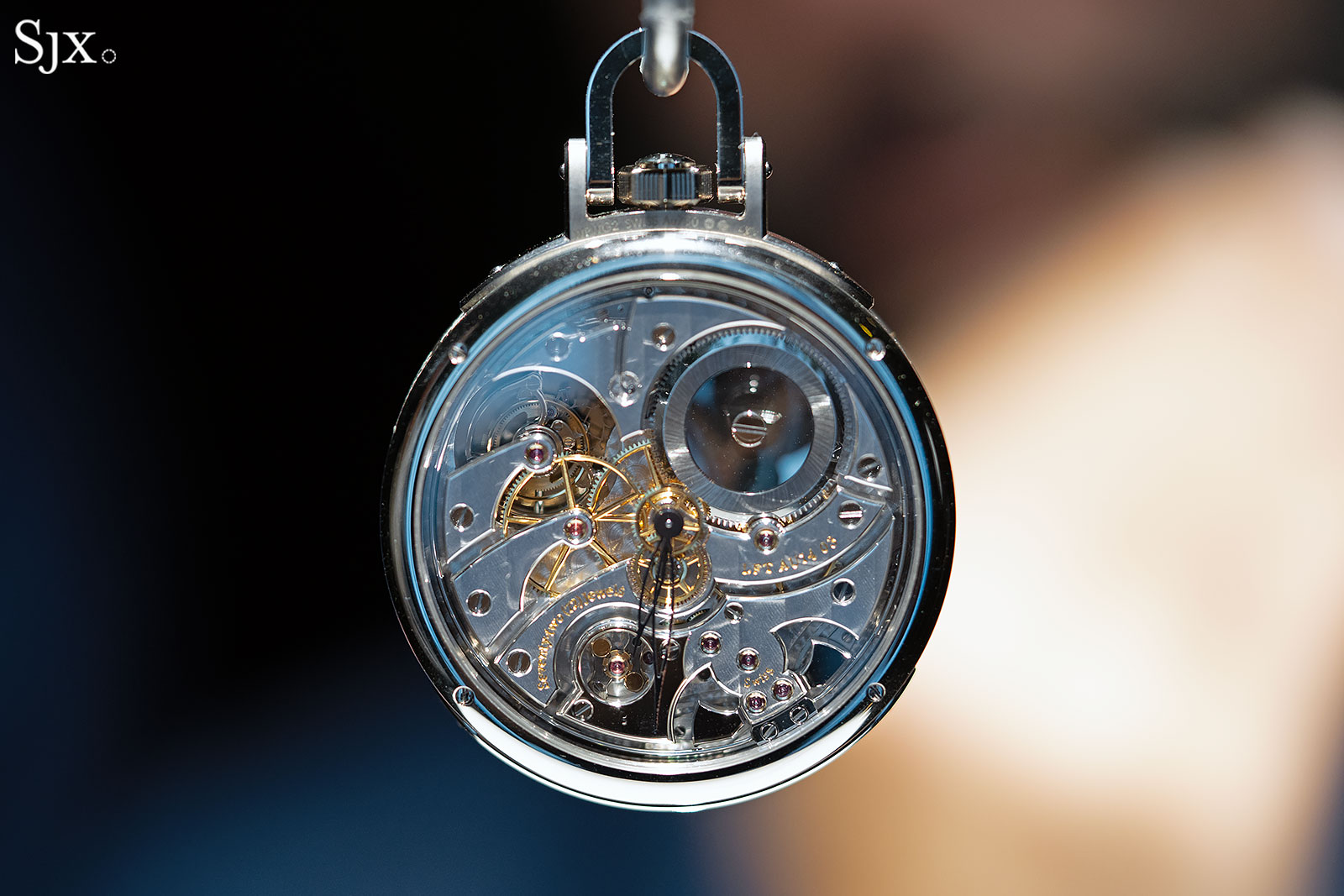
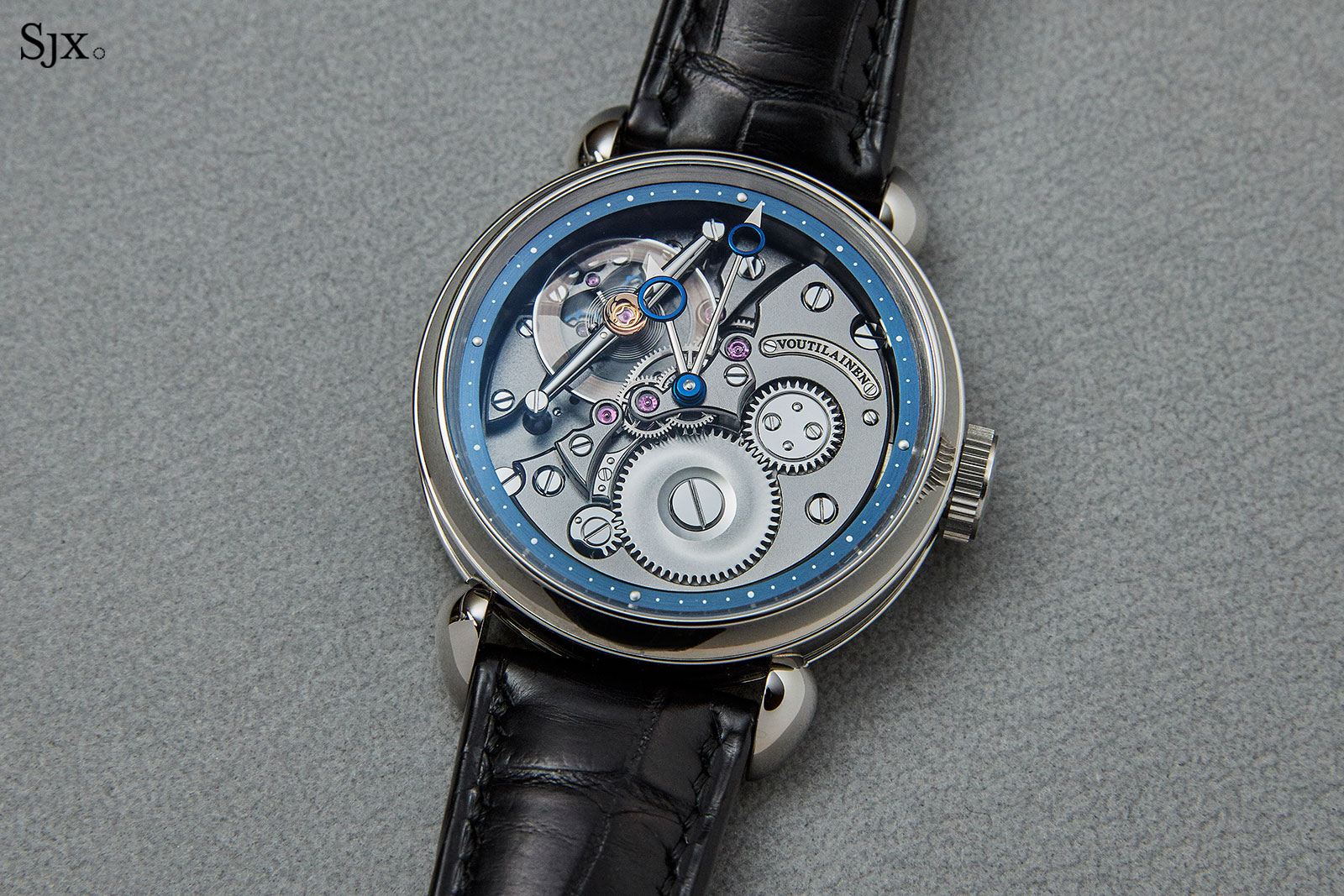
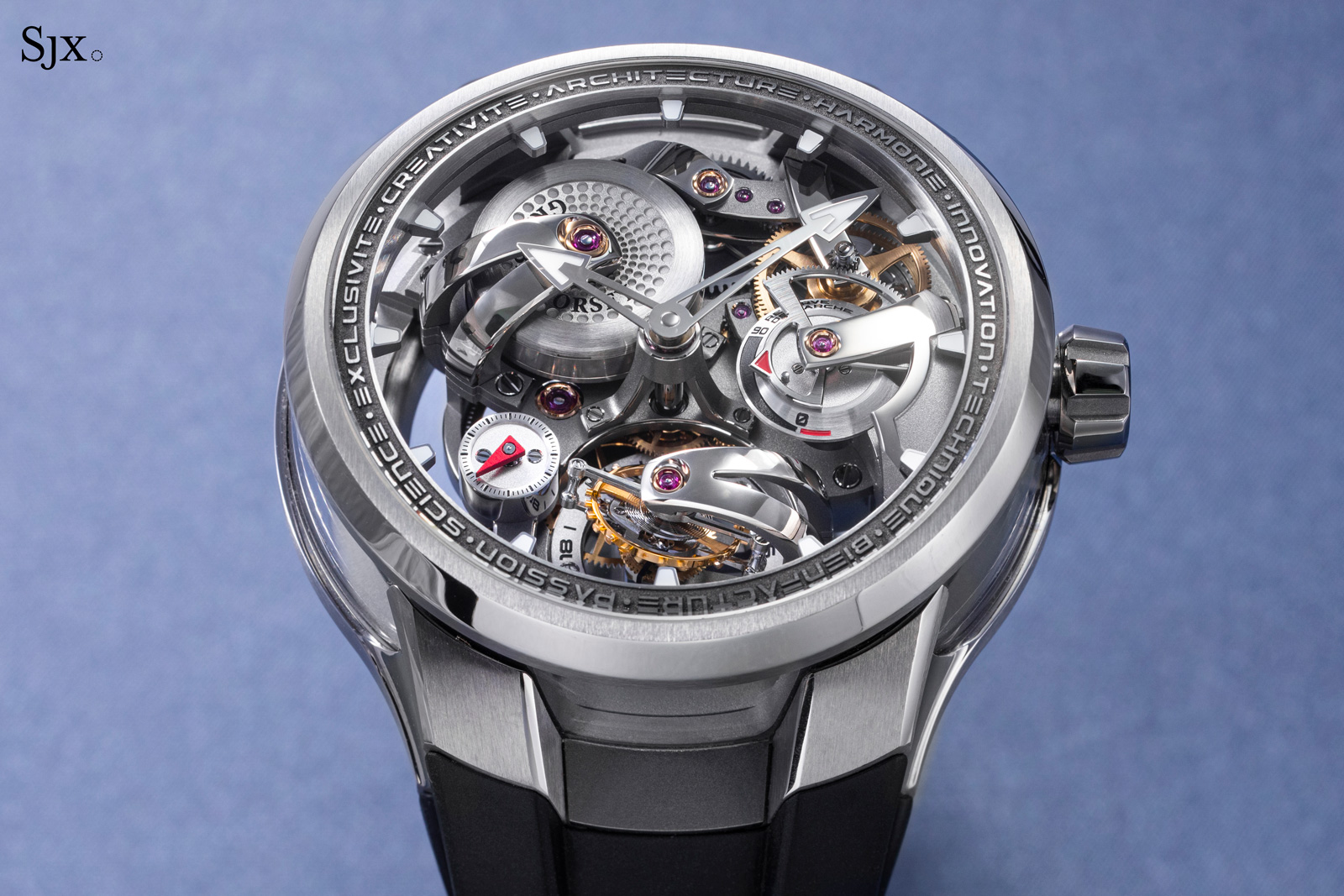
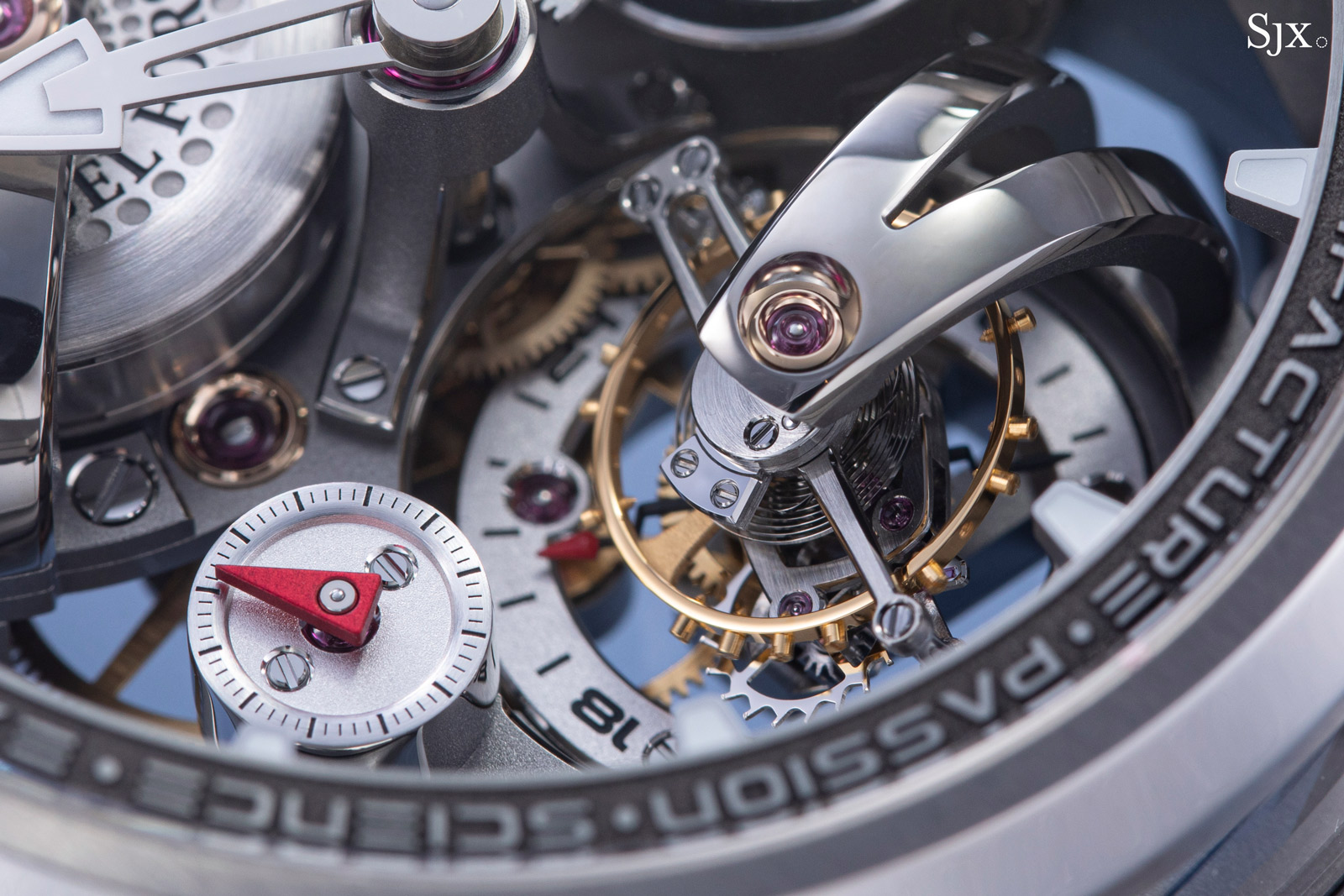
An inverted movement is a watch caliber that has been reversed within the case, positioning the main components—barrels, gear train, and escapement—on the dial side for full visibility. The traditional dial, if present at all, is reduced to a small off-center display or a peripheral ring. This configuration allows wearers to observe the intricate mechanics that usually remain hidden beneath a conventional dial.
Origins and Adaptations
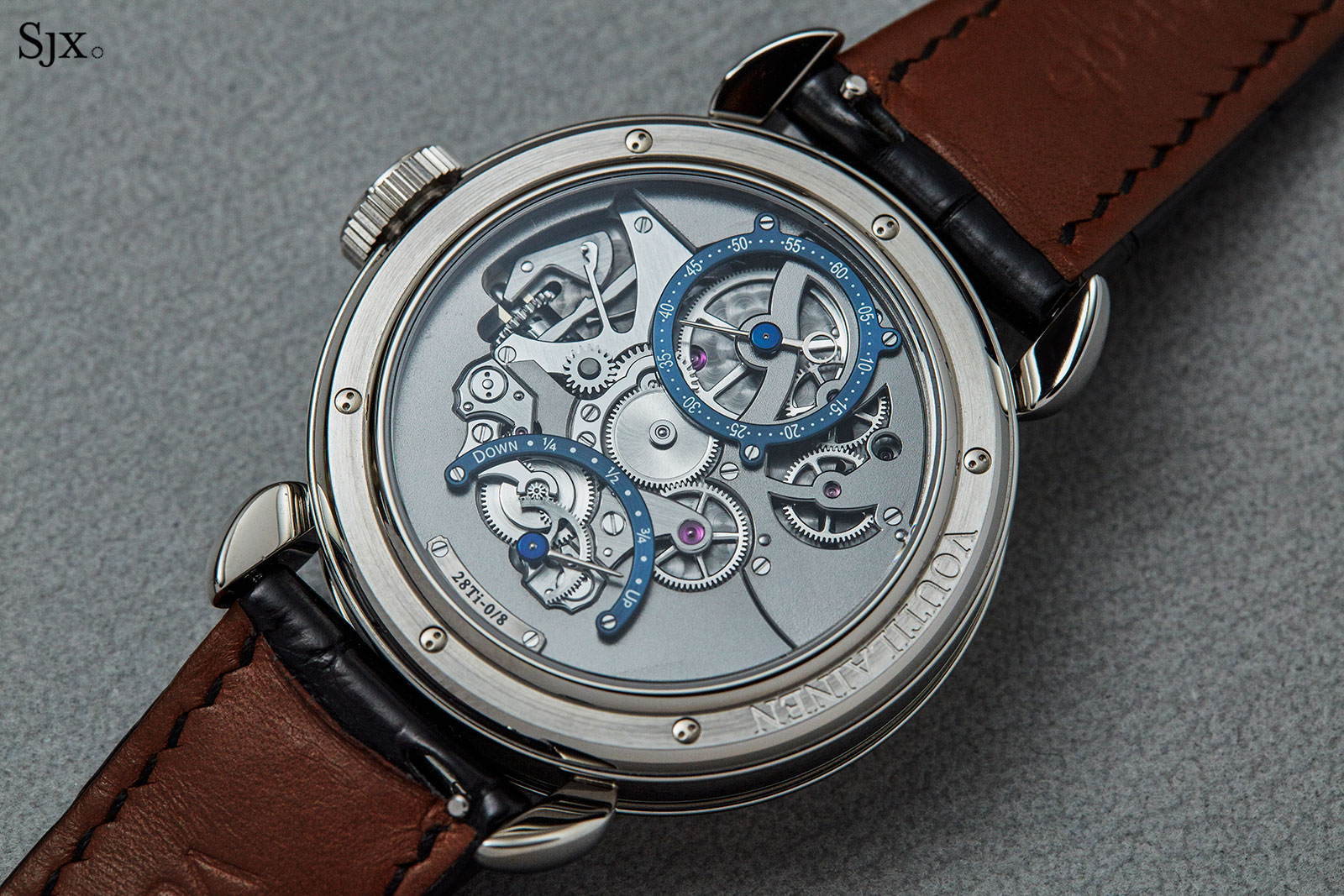
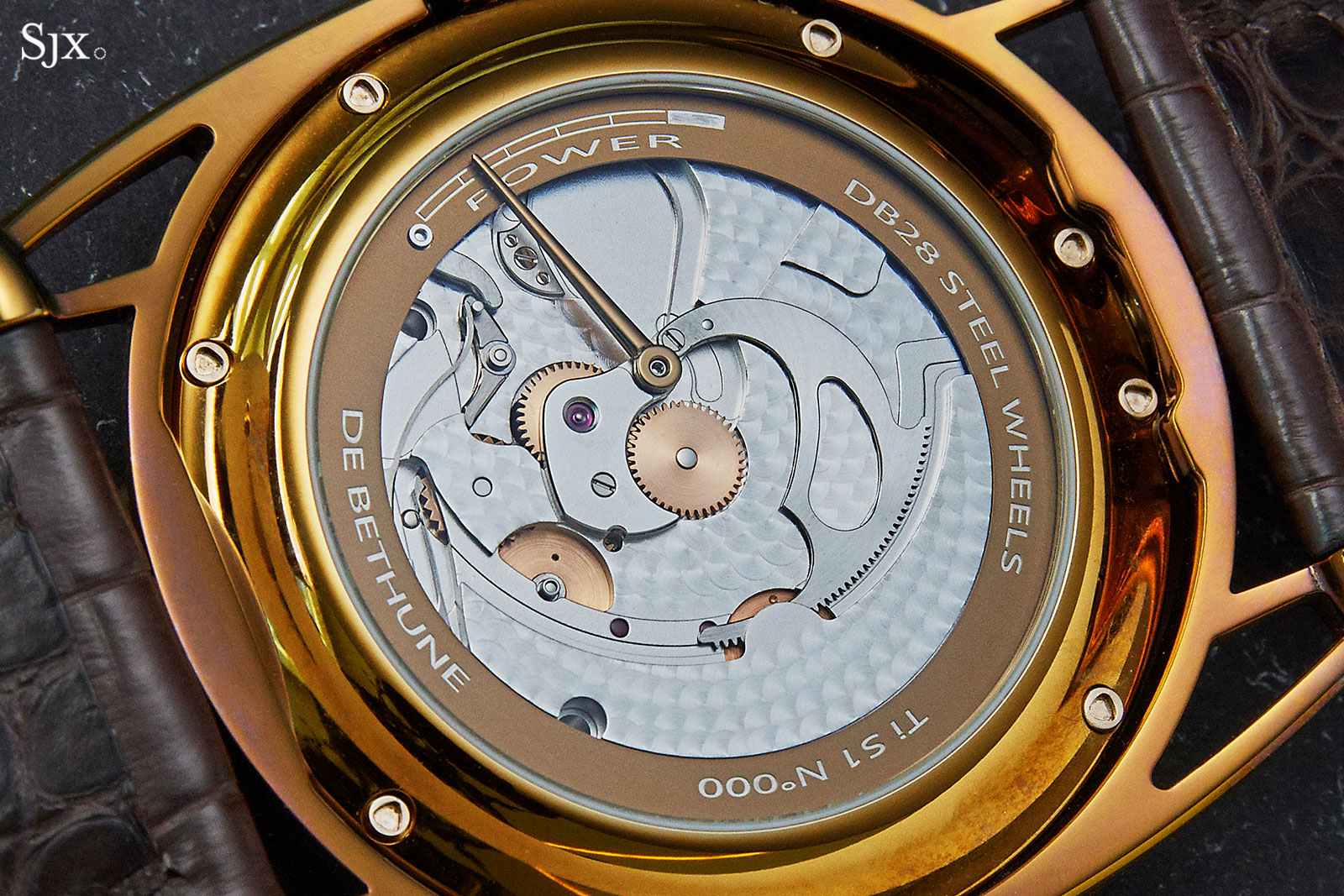
Some inverted movements are adapted from existing calibers, such as the Voutilainen 28TI, which adds a reversing train to its base movement. Others, like the Breguet Tradition 7027's cal. 507DR, are designed as inverted from the start, with conventional versions arriving later. More recently, brands are creating movements exclusively for the inverted format, often crafting elaborate mechanical landscapes that would be wasted behind a traditional dial.
Why Are Inverted Movements Gaining Popularity?
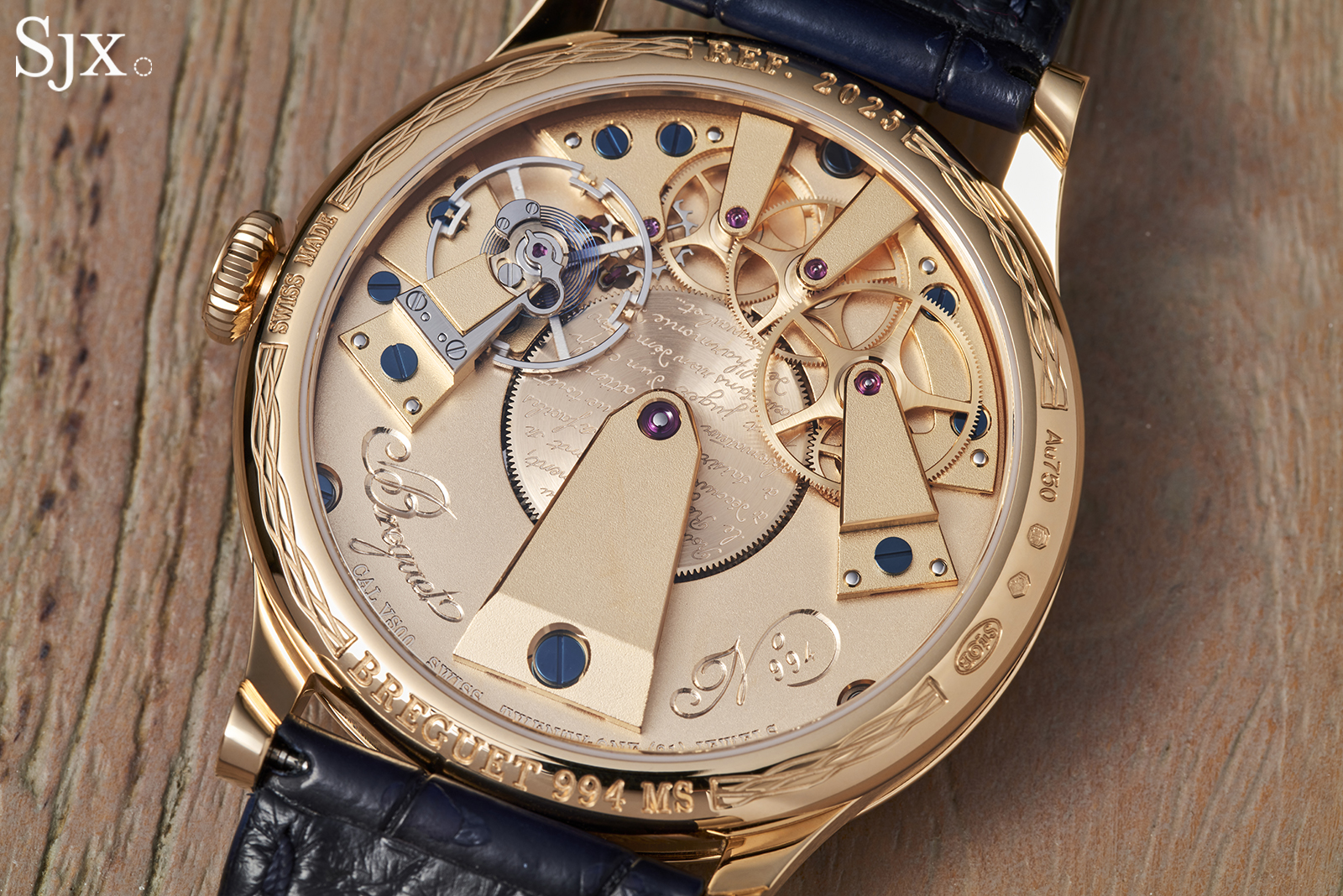
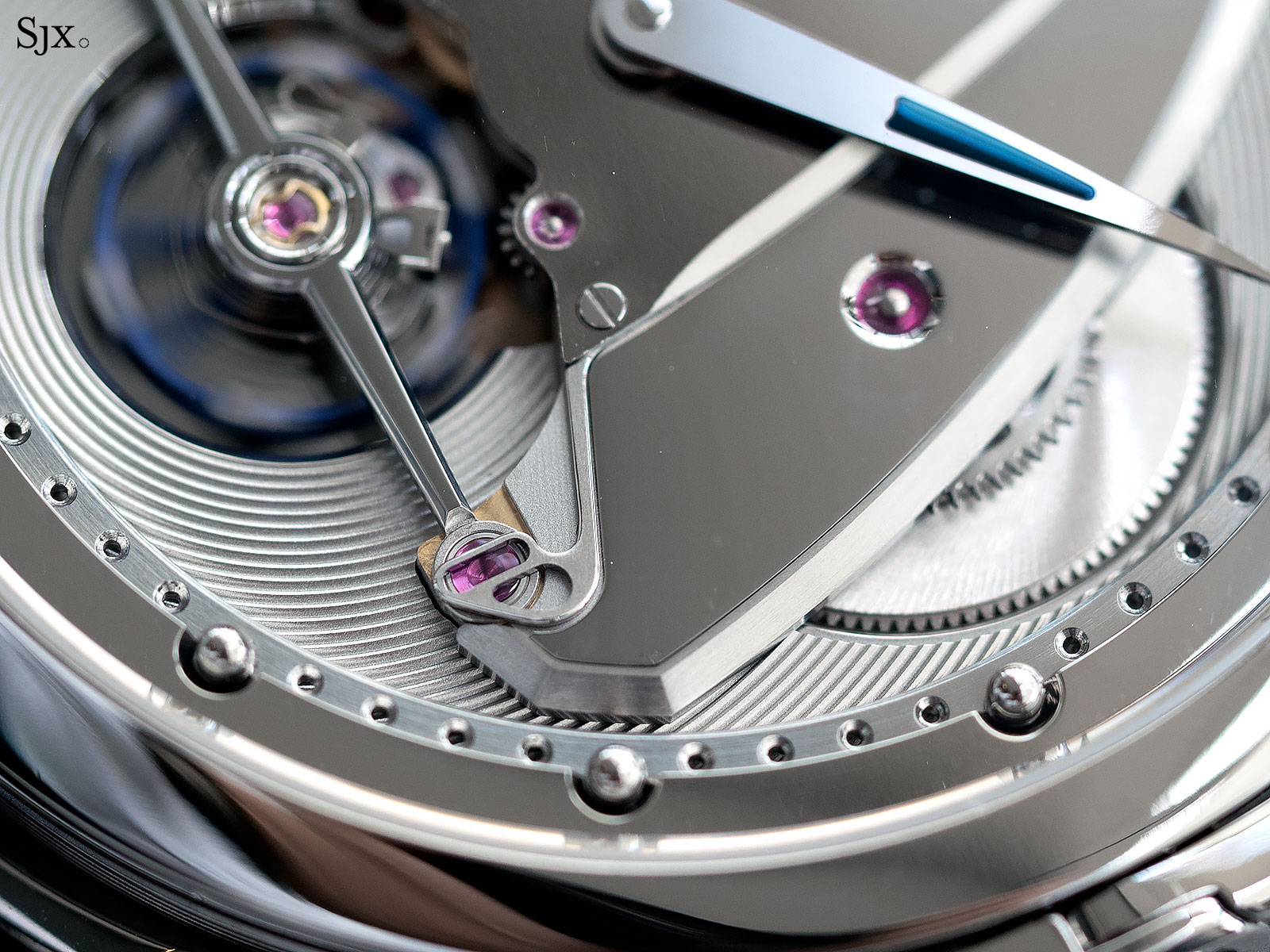
Several factors contribute to this trend. The first is the heightened focus on movement finishing, amplified by macro photography and social media. Collectors can now scrutinize details that were once invisible, making beautifully finished movements a major selling point. Additionally, inverted watches stand out on platforms like Instagram, increasing their desirability and market value.
From a manufacturer's perspective, inverted calibers offer a cost-effective way to introduce new models. Adapting an existing movement is simpler than developing a new one, and it can even lead to multiple variants, such as skeletonized versions, from a single base design.
The Benefits of Going Inverted
An inverted movement showcases a watchmaker's skill and artistry. It invites close inspection and can educate enthusiasts about horological history, as seen in the exposed chain and fusee of the Ferdinand Berthoud FB 2TV. For collectors, these watches often provide an objective measure of quality, as the mechanics are open for all to see.
The Trade-Offs
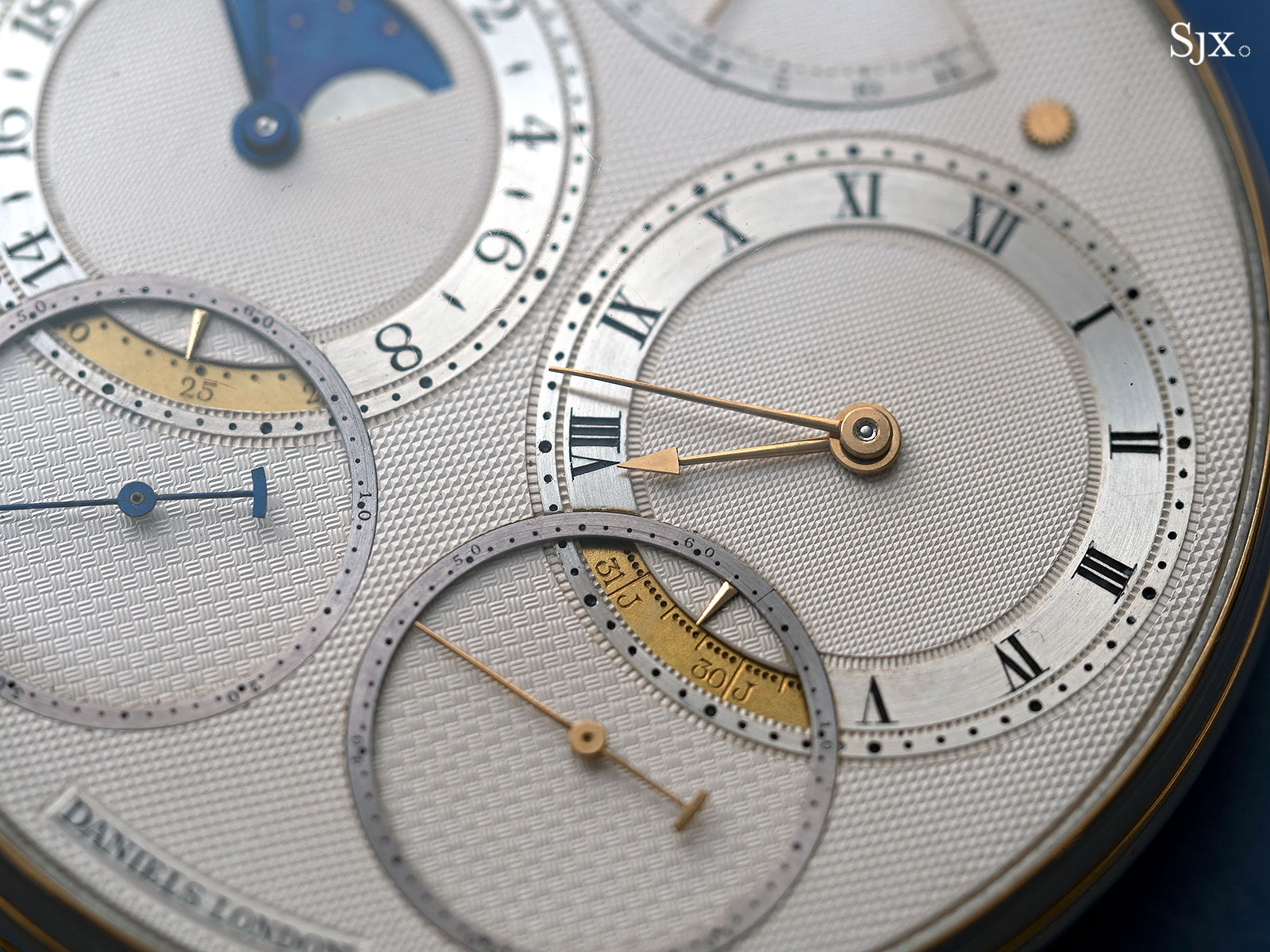
However, this trend comes at the expense of the dial, which many consider an essential canvas for design and expression. Legendary watchmakers like George Daniels and François-Paul Journe have deliberately avoided inverted movements, prioritizing the dial as the primary interface with the wearer. Some brands, like De Bethune, manage to maintain a strong identity even without a dial, but others may lose their visual signature.
Moreover, inverted movements are often limited to simple time-only configurations. Complications like chronographs or annual calendars typically require space between the movement and dial, making them difficult to integrate into an inverted layout.
Looking Ahead
The inverted movement trend shows no signs of slowing down. As brands continue to innovate and collectors seek unique, mechanically expressive timepieces, we can expect to see even more creative interpretations of this captivating format.



inverted movement watch guide -
skeleton watch movement -
open worked watch -
exposed movement timepiece -
watch movement display -
What is an inverted movement in a watch? guide -
Why are watch movements inverted? -
Which watches have inverted movements? -
What is the difference between a skeleton and an inverted movement? -
Are inverted movements more expensive? -
Do inverted movements affect accuracy? -
Can all watch movements be inverted? -
What are the disadvantages of an inverted movement? -
How do you wind an inverted movement watch? -
Are inverted movements popular among collectors? -
RECOMMENDED
You may also like
Private Concierge
If you have any questions about purchasing or after-sales service for watches, please contact me using the contact information provided!
 +447599352109
 liuyanhua19999s扫二维码,请加我为好友。
扫二维码,添加我为朋友。
ID: liuyanhua19999s