
Encyclopedia
Understanding the Keyless Works: How Your Watch Crown Functions
The Crown: Your Watch's Primary Interface
For most watch owners, the crown is the only part of the movement they interact with regularly, whether to wind the mainspring or set the time. While these actions seem simple, they rely on a complex mechanism known as the keyless works. This hidden system, often overlooked, deserves a closer examination to appreciate its engineering and historical significance.
From Key to Crown: A Historical Journey
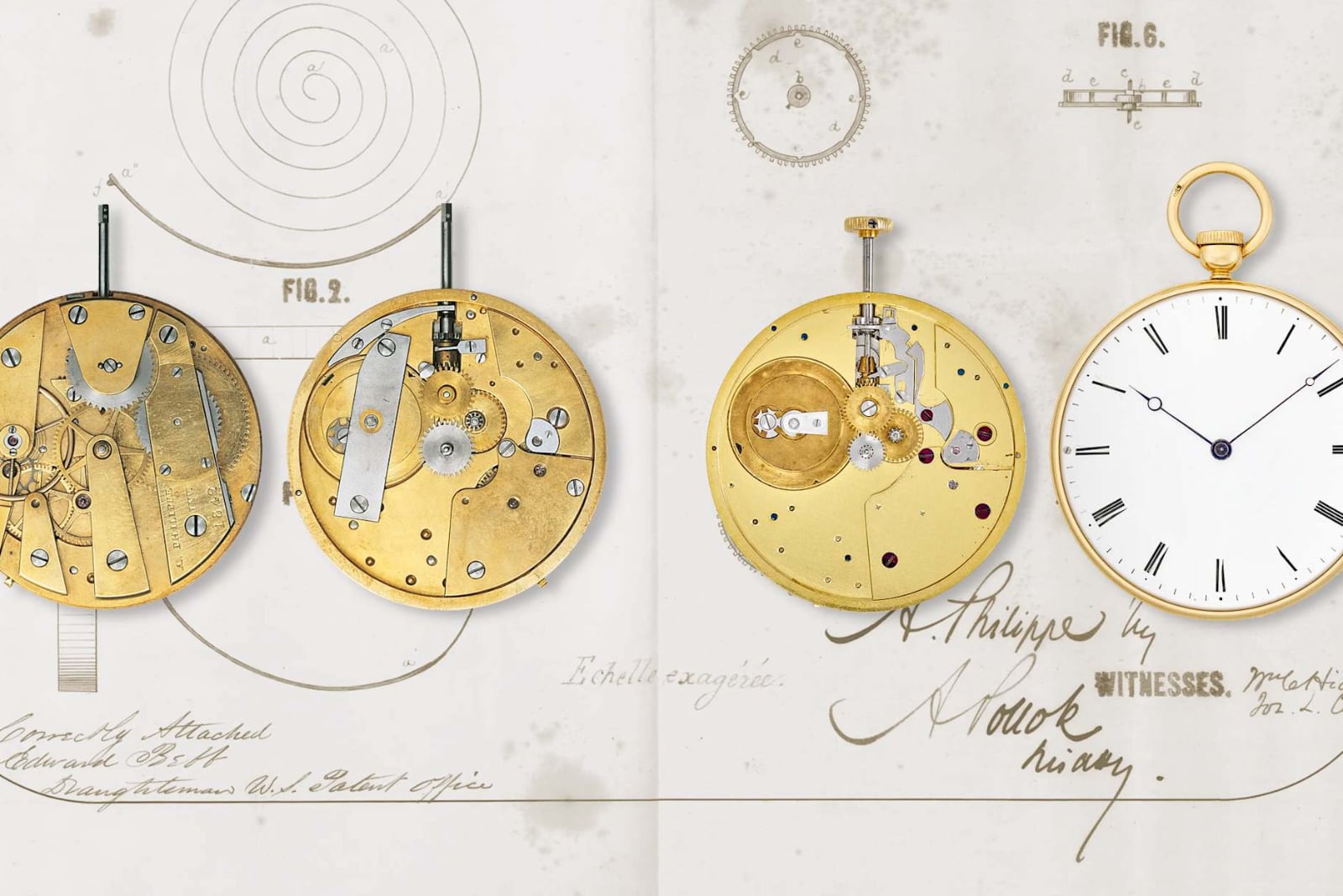
Before the advent of keyless winding, pocket watches and clocks required separate keys for winding and setting. These keys were prone to being lost, and their use exposed the movement to dust and moisture, leading to wear and damage. The breakthrough came in the mid-19th century with French watchmaker Jean Adrien Philippe, who invented the stem-wound, keyless mechanism.
Philippe's innovation caught the attention of Antoine Norbert de Patek, who was seeking a technically skilled partner. In 1845, Philippe became the technical director at Patek's firm, and by 1851, Patek, Philippe & Cie. was established. Philippe's design, patented in 1845, allowed for both winding and setting through a two-position crown, a concept that remains the foundation of modern keyless works.
Earlier attempts at keyless mechanisms existed, such as those by Thomas Prest in the 1820s and Adolphe Nicole in 1844, but they were not commercially successful. Even Breguet experimented with keyless designs in the 1830s, but it was Philippe's compact and reliable system that prevailed.
How the Keyless Works Operates
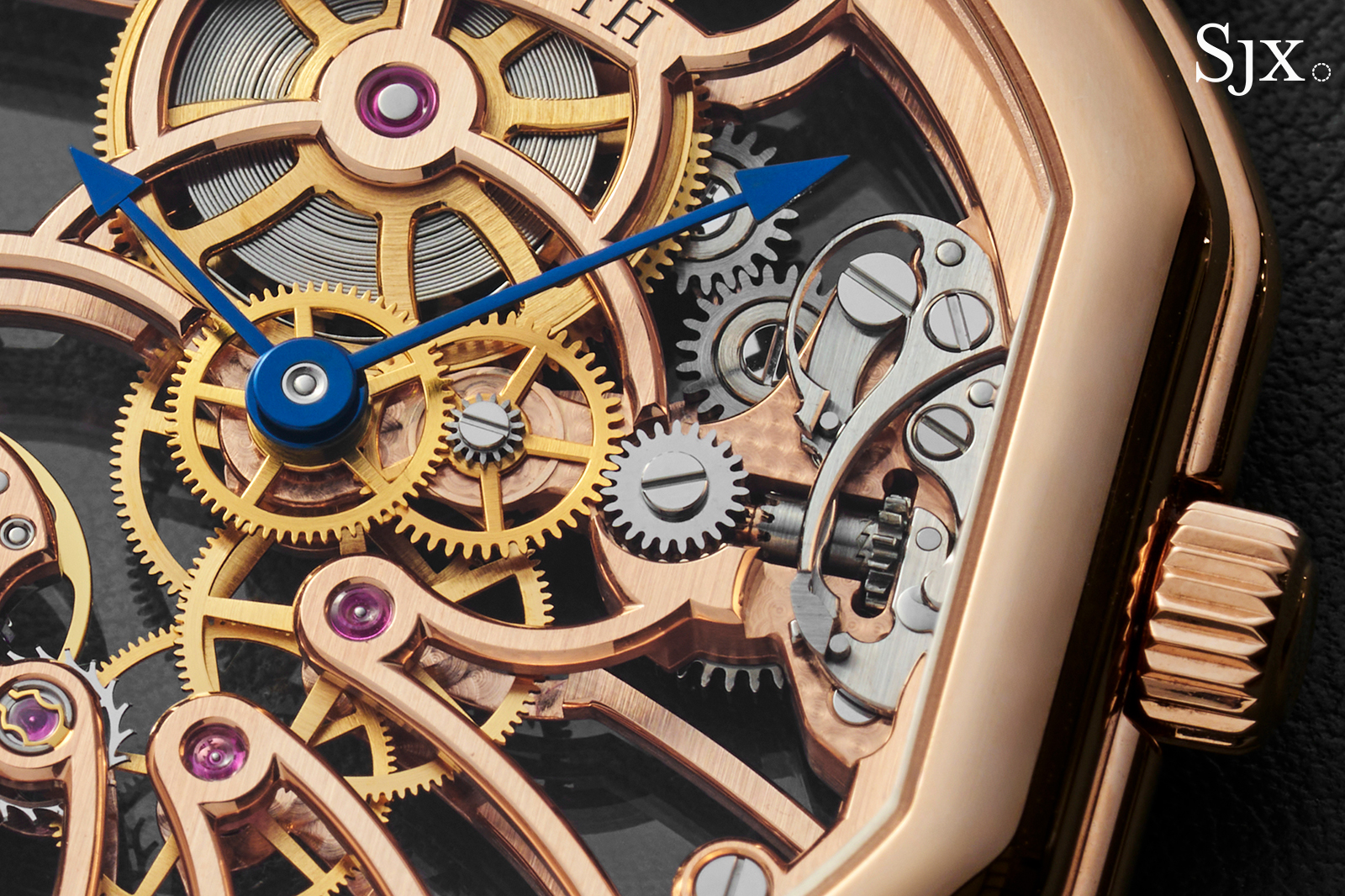
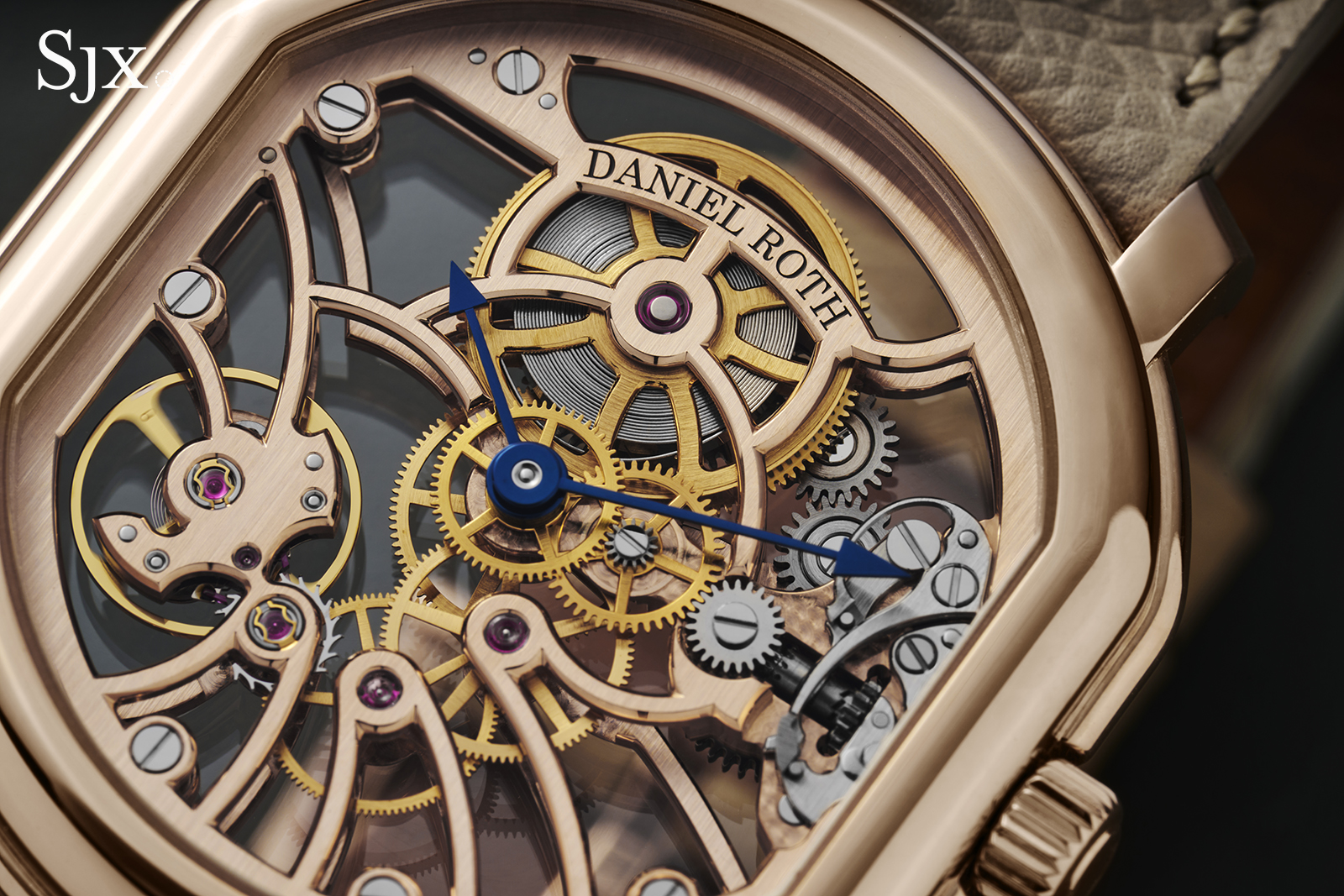
In a typical modern keyless works, the crown is connected to a stem that interacts with various components. When the crown is pushed in, turning it clockwise engages the winding mechanism through a sliding pinion and clutch wheel. This action turns the crown wheel, which winds the mainspring.
Pulling the crown to the second position disengages the winding mechanism and engages the setting mechanism. A setting lever moves the sliding pinion into contact with the motion works, allowing the hands to be adjusted. A spring ensures the crown stays in the selected position, preventing accidental changes.
Modern keyless works have evolved to include additional positions, such as a third position for quick-set date adjustments. This feature, introduced by Rolex in 1977 with the cal. 3035, allows users to change the date without disturbing the time display.
Maintenance and Durability
The keyless works are subject to wear and tear due to frequent use. Rough handling, such as pulling the crown too hard or cycling through positions excessively, can accelerate wear on the small steel components. Regular servicing, including disassembly, cleaning, and lubrication, is essential to ensure smooth operation and longevity.
For replica watches, the keyless works may be less refined than in original luxury timepieces, but they still follow the same basic principles. Enthusiasts should be aware of the quality differences and handle their replicas with care to avoid damage.
Additional Functions and Innovations
Beyond winding and time-setting, the keyless works can be adapted to include other functions, such as a GMT hand or a power reserve indicator. Some watches feature screw-down crowns for enhanced water resistance, which add complexity to the keyless works design.
Despite these advancements, the core concept remains unchanged: a reliable, user-friendly interface between the wearer and the movement. Understanding the keyless works enhances appreciation for the craftsmanship and engineering that goes into every timepiece.
Conclusion
The keyless works may be hidden beneath the dial, but it is a vital part of any watch. From its historical origins to modern innovations, this mechanism has transformed how we interact with our timepieces. Whether you own a luxury watch or a replica, taking a moment to understand the keyless works can deepen your connection to the art of horology.




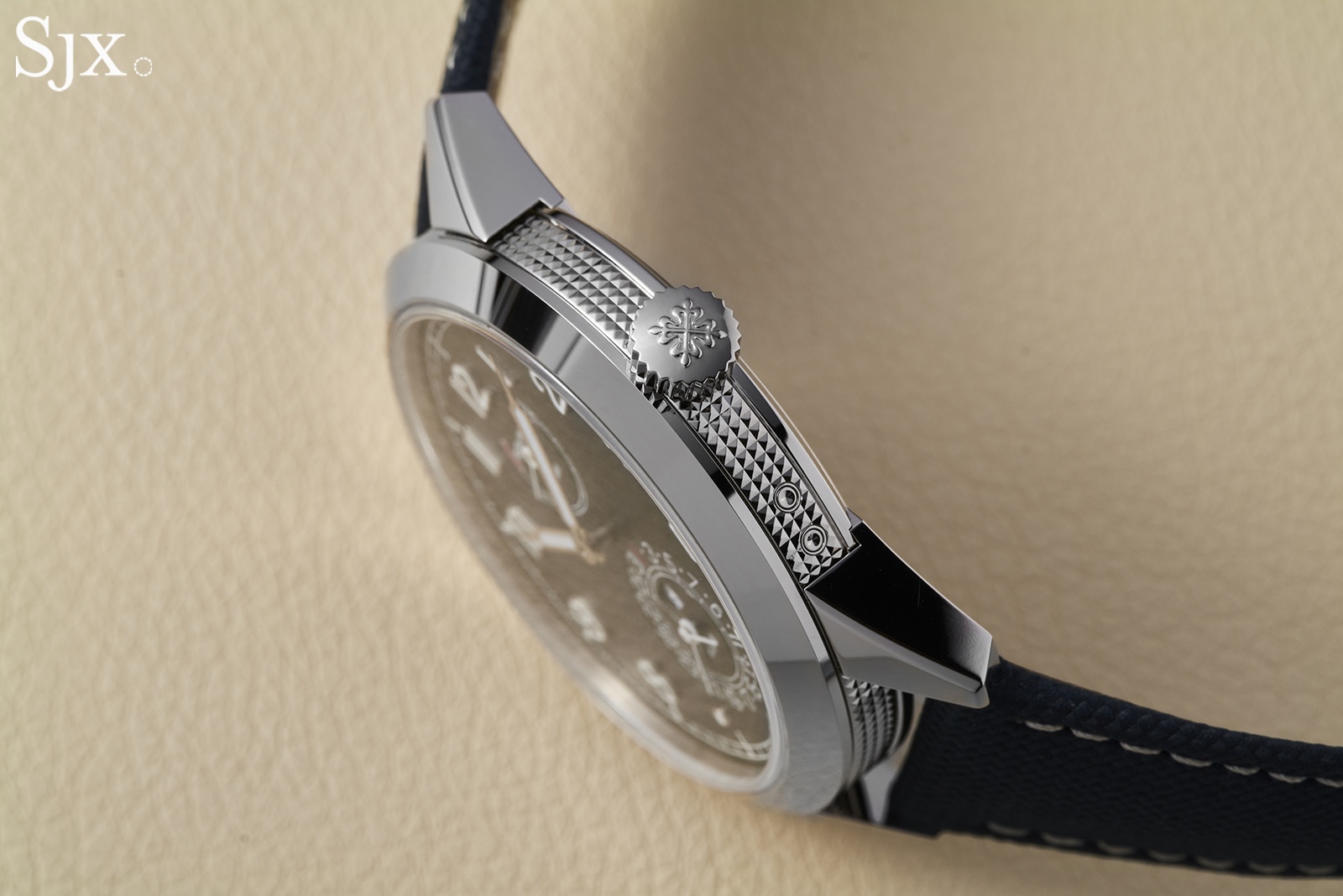
watch keyless works mechanism -
how does a watch crown work -
keyless works maintenance -
history of keyless winding -
crown functions in watches -
What is the keyless works in a watch? -
How does a watch crown work? -
Who invented the keyless winding mechanism? -
Why is the keyless works important? -
How do I maintain my watch's keyless works? -
What are the parts of a keyless works? -
How does a screw-down crown affect the keyless works? -
Can the keyless works be repaired? -
What is the difference between winding and setting a watch? -
How often should I service my watch's keyless works? -
RECOMMENDED
You may also like
Private Concierge
If you have any questions about purchasing or after-sales service for watches, please contact me using the contact information provided!
 +447599352109
 liuyanhua19999s扫二维码,请加我为好友。
扫二维码,添加我为朋友。
ID: liuyanhua19999s