Article
Decoding Designer Watch Identity: Movement, Materials, and Engravings
Designer timepieces are intricate mechanical marvels, blending sophisticated watchmaking technology, luxurious materials, and exquisite design. Their true worth lies in the precision of their movements, the quality of metals and gemstones, and the artisanal hand-finishing techniques preserved over generations. Beyond mere timekeeping, these elements define a watch's character and authenticity.
The Language of the Dial
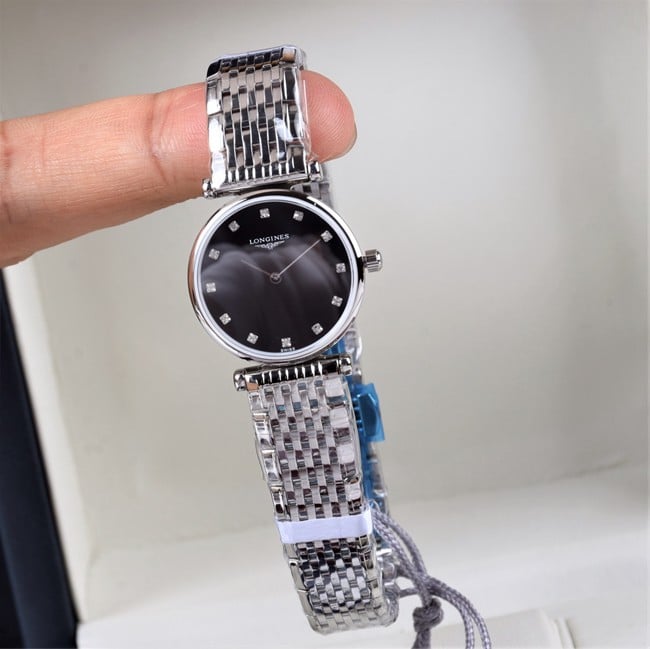
The dial typically reveals the brand and movement type. For instance, a Rossini 5715 displays the brand name at the top, while the term "Automatic" below indicates a self-winding mechanical movement. Most watches are either mechanical, quartz, or electronic, with "Automatic" being the standard marker for mechanical pieces. Some dials feature additional details, such as "24 Jewels Automatic," which signifies the presence of 24 synthetic ruby jewels within the movement. These jewels are strategically placed in high-friction areas to reduce wear and enhance accuracy and longevity.
Decoding the Case Back
The case back often provides insights into the materials used. For example, a Rossini 515697 marked "All Stainless Steel" indicates a case made entirely of stainless steel, known for its durability, corrosion resistance, and anti-magnetic properties. The inscription "Sapphire Crystal" refers to the watch glass, which boasts exceptional hardness, second only to diamond, making it highly scratch-resistant under normal wear.
Understanding these engravings is essential for proper identification, maintenance, and value assessment. Just as a passport reveals an individual's identity, the markings on a watch disclose its hidden attributes, allowing enthusiasts to truly appreciate the craftsmanship and heritage of their timepiece.